Everything lands at one panel, so there is one app and one person to call rather than five of each.
A house bought one piece at a time
The doorbell came from one place, the cameras from another, and the Wi-Fi from whoever set up the internet. Each one has its own app, its own login and its own idea of who you are.
None of them can tell you who opened the side door at four in the afternoon, because no two of them share a clock or a timeline.
A house wired as one system answers that in a single place. It is also the version that can be handed to somebody else to look after, which the five-app version cannot.
Where to go next
The parts of a house, and the page for each one
Six systems behind one panel. Follow any of them for how that part works on its own.
The difference is not the individual pieces. It is that they were specified together and land in one place.
Cat6 to everything that needs it
Every room, every camera position, every door and the garage. New construction is wired before the drywall; a finished house uses the attic, the crawlspace and existing outlets.
One app, from anywhere
Cameras, doors, who is on the Wi-Fi and the garage, without exposing the equipment in the house to the open internet.
Built for the construction it is in
Tabby, plaster over lath, foil-backed insulation and metal roofs each change the answer. The house is walked before anything is specified.
Guests and trades kept separate
A network for the house and a network for everybody else, so a visitor’s laptop is nowhere near the cameras.
The outbuildings included
The pool house, the dock and the detached garage are part of the plan rather than something added badly later.
Yours, with or without us
The system belongs to the house. An ongoing arrangement is available and is not a condition of anything.
The parts
What ends up in the house
Five groups. Each part is named by the job it does, because a part number answers a question nobody asked.
The panel
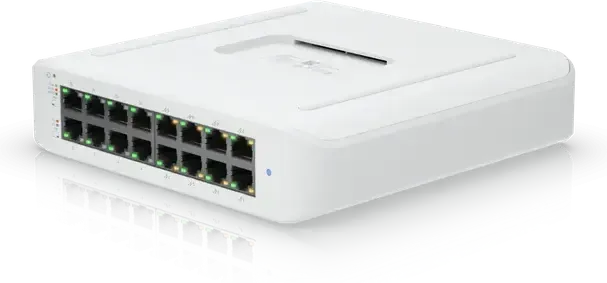
Routing, Wi-Fi and powered ports in one panel, mounted on the wall
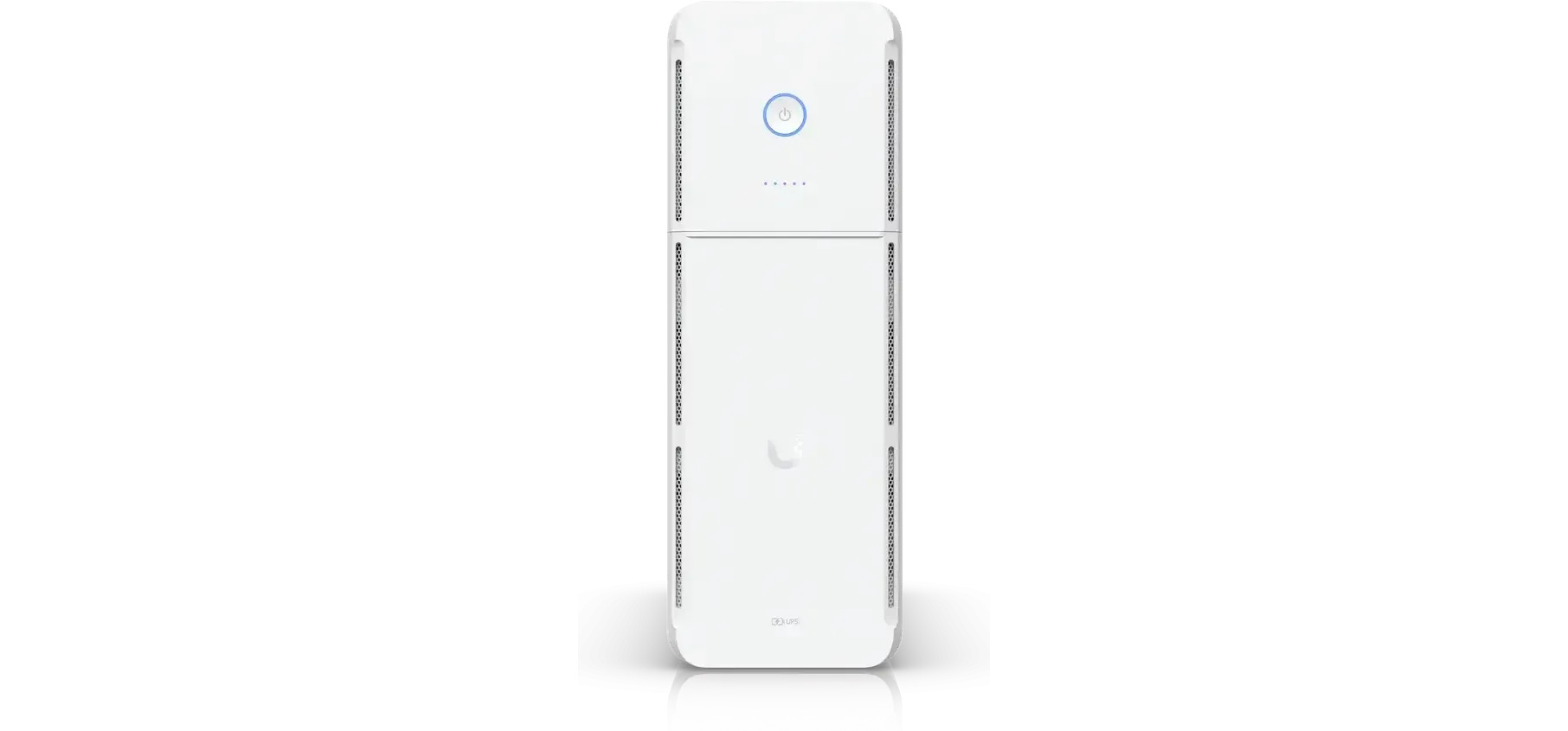
The rack panel for a large house, with room for camera recording
The rack panel for a smaller build, powering devices directly
Wi-Fi in every room
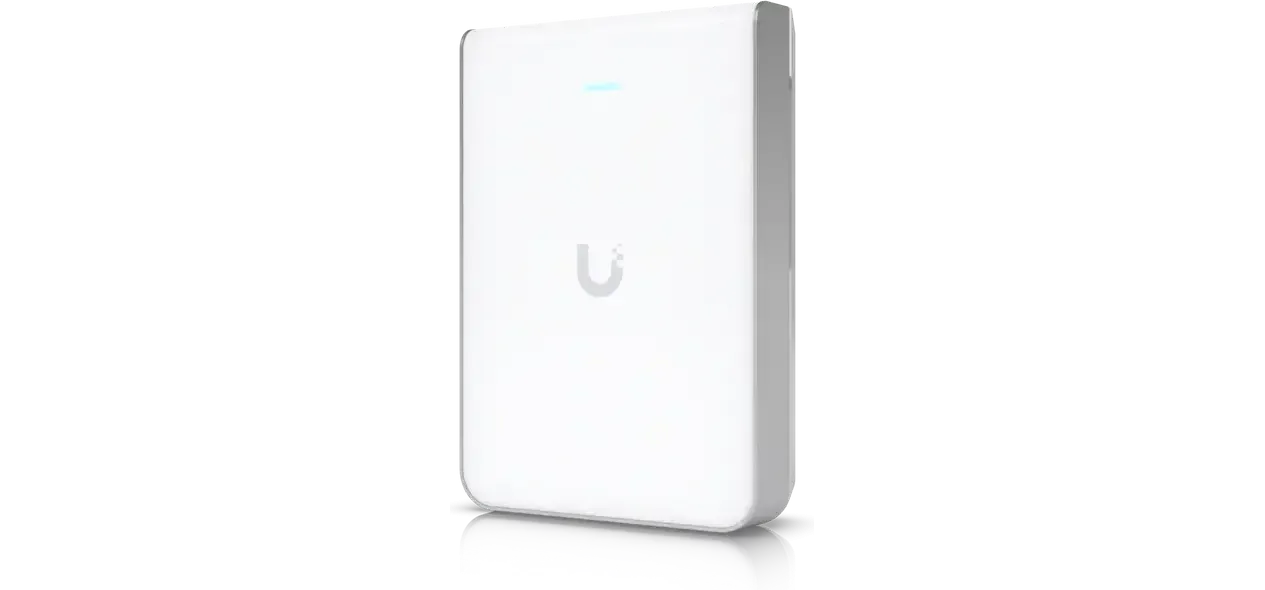
Replaces a wall outlet, and puts wired ports back where it sits
The in-wall one for a room carrying a lot of devices at once
Ceiling-mounted, for open rooms and hallways
For an outbuilding or a dock, where no cable reaches
Eyes on the property
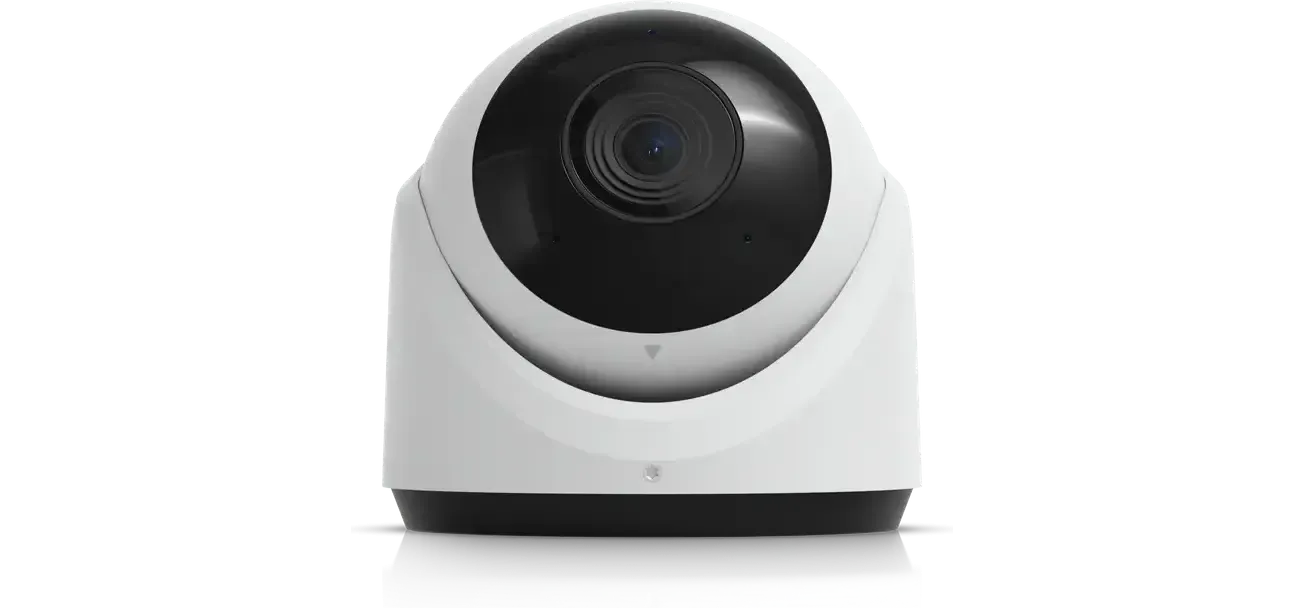
The general view – a yard, a drive, one side of the house
Fixed view down a fence line or a straight approach
Reads plates at the entrance, on vehicles that do not stop
At the front door – two-way audio, and a second view of the step
Doors and gates
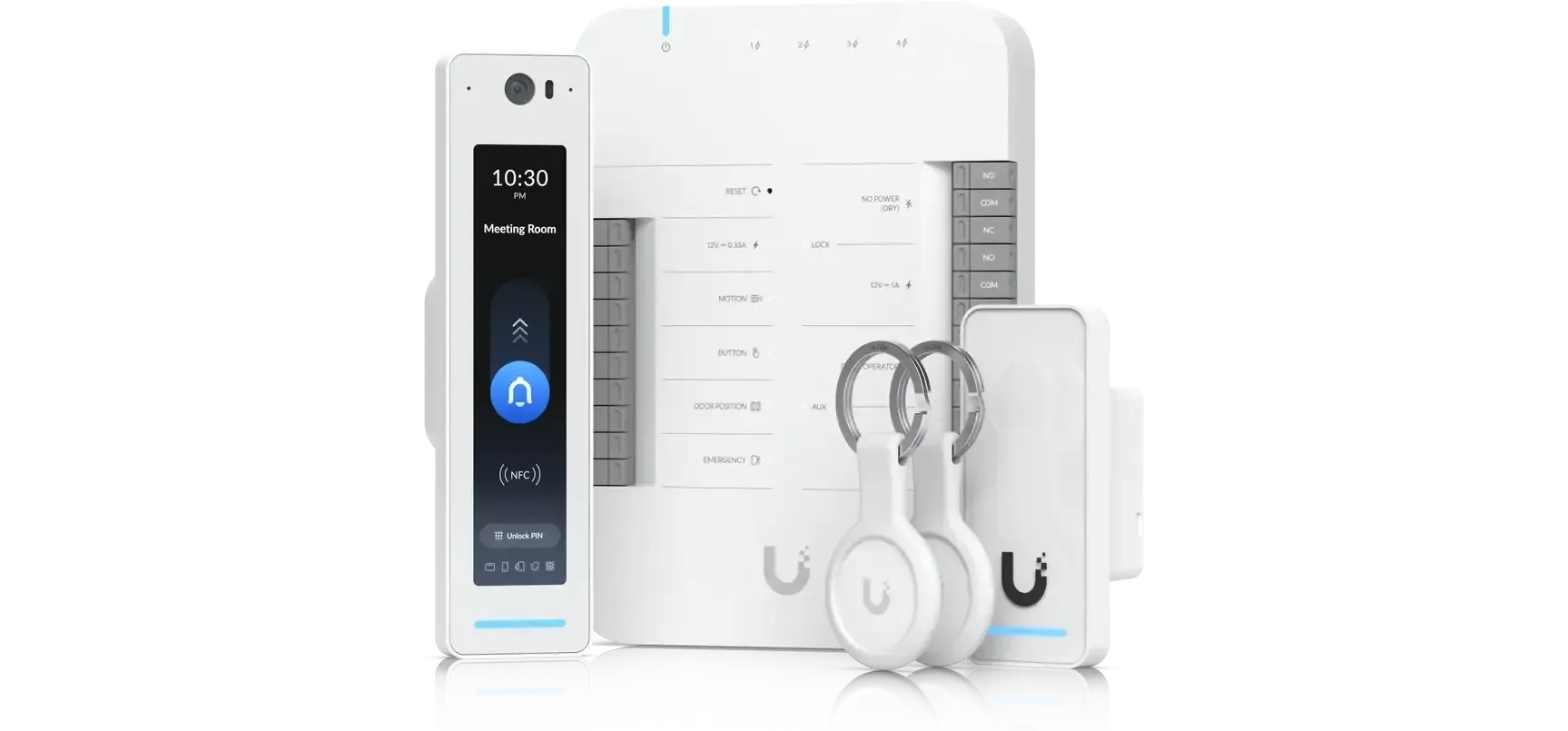
Everything one door needs, in and out, as a single kit
The controller behind the gate, wired to the operator
The everyday reader – badge, phone or a tap to enter
Sensors and the rest
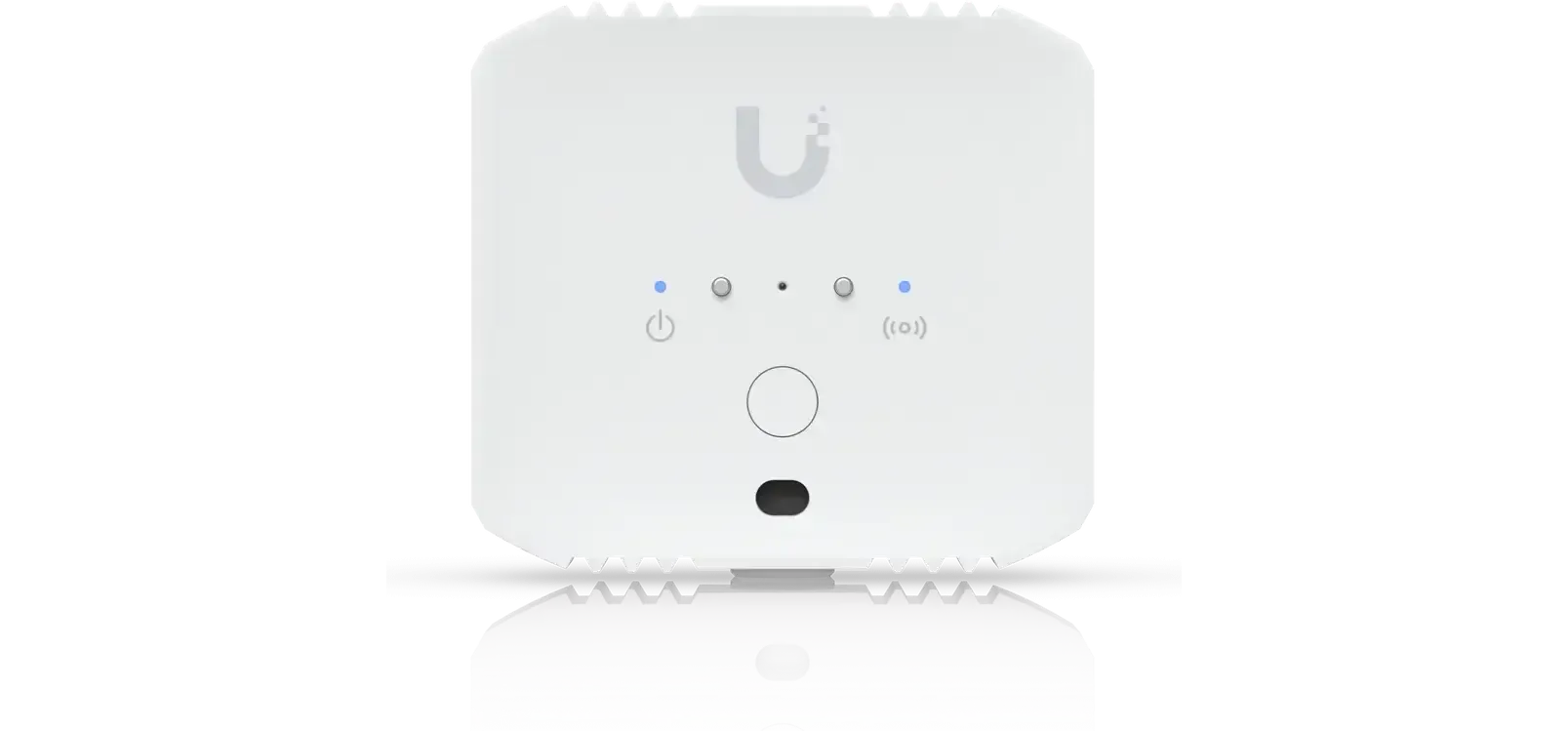
Tells you a door or a window opened, on battery for years
Movement in a room that should be empty
Water on a floor, and a room drifting too warm or too cold
Speakers that sit flush in a ceiling or a wall
How it works
How the work runs
01
A walk of the house
What it is built of, where the runs can go, and what you actually want covered. This decides most of the design.
02
A plan with the parts named
Where the panel lives, where every plate and camera position goes, and what each one is for.
03
The install
Attic, crawlspace and one cupboard do most of it. What the house looks like at the end of each day is part of the job.
04
Handover
The app, the logins and the labelled panel, shown to whoever is going to use them.
The same small team, and the person who walked the house is the person who designs it. You are not handed to a rotating crew who have never seen the property.
Only if you want one. The system is yours either way, and the house works the same without it.
Walk us round the property
Sullivan’s Island, Isle of Palms, Kiawah, Daniel Island, Mount Pleasant and downtown. Send the address and what you want covered; we walk it before putting a number on anything.