When the line drops, the tills keep working
Automatic cellular failover on a second carrier, so card payments carry on while the main service is down.
The half hour nobody can afford
Card payments are the one thing that cannot wait for a line to come back. A busy Friday with the card machine down is takings lost and a queue that walks out.
A cellular backup takes over on its own. Nobody has to notice, phone anybody, or move a cable.
It runs on a different carrier from the main service, because a regional fault that takes out one will usually take the other with it if they are the same network.
The second line runs on another carrier deliberately, because two services down the same street cabinet fail together. Which line traffic goes down is a decision the equipment makes, not one anybody in the room has to notice.
What happens when the line goes
Nobody in the room has to do anything for any of this to happen.
The switch happens by itself
Failover is automatic and quick enough that a transaction already in progress is usually the only thing affected.
A different carrier on purpose
The backup runs on a separate network from the main line, so one regional fault cannot take both down together.
It switches back on its own
When the main service returns, traffic moves back without anybody deciding to.
Sized for what has to keep running
Card terminals and the till first. A cellular line is not there to carry a full building streaming video, and what it covers is agreed before it is fitted.
The antenna goes where the signal is
In some buildings that means somewhere with a view of the sky rather than in the comms cupboard. It is checked before it is quoted.
You find out it worked afterwards
The changeover is logged, so an outage is visible after the fact rather than a mystery about why the afternoon was slow.
A modem that takes over, and a gateway that decides
Two pieces. One provides the second line, the other chooses which line the traffic goes down.
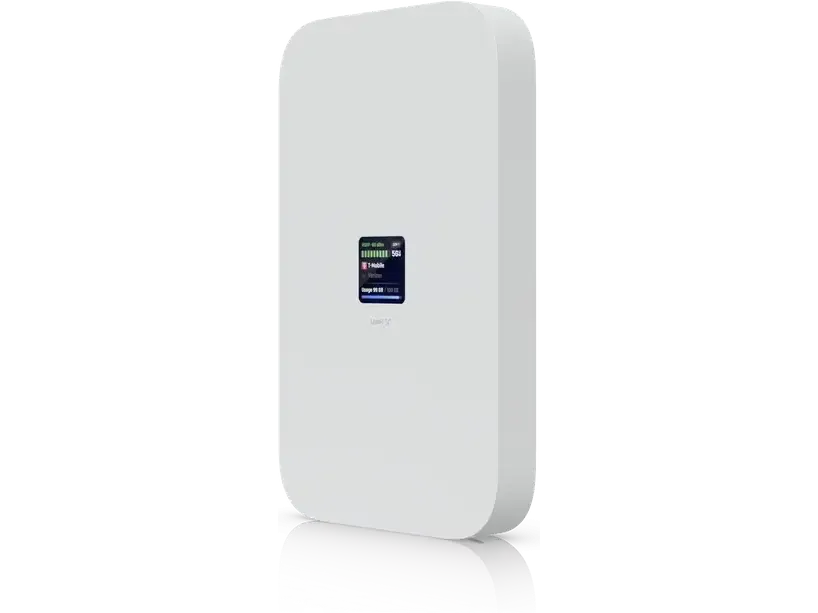
The cellular modem — takes over automatically when the line drops
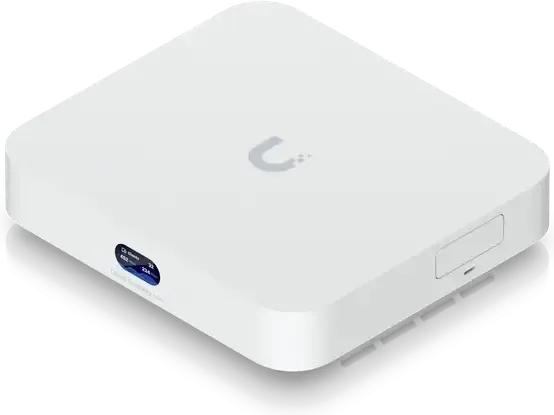
The gateway that decides which line traffic goes down
How the work runs
A signal check first
Cellular coverage measured in the building itself, because a bar on a phone at the front door is not the same as signal in a back office.
Carrier chosen against the main line
Deliberately a different network, so one fault cannot take both.
Fitted and proved
The main line is pulled on purpose and the changeover watched, rather than assumed.
Handover
What is covered, what is not, and how to tell it has happened.
Questions we get asked
That is what this is for. Failover happens automatically, normally fast enough that a transaction already in progress is the only thing affected.
Yes, and it should be on a different carrier from the main internet service. Otherwise a regional outage takes both down together.
It is sized for what has to keep running — payments, the till, the phones. What it covers is agreed before it is fitted rather than discovered during an outage.
It is tested by pulling the main line deliberately at handover, and every changeover after that is logged.
No. It takes over on its own and moves back on its own when the main service returns.
Name the things that cannot stop
Card terminals, the till, the phones, or all of it. The signal check settles what is possible in your building.