Campaign pages and forms
Campaign landing page design for local business offers
CloudCentric builds a landing page and lead form for each offer, writing every submission straight into your contact list.
One offer per page
Lead generation landing page design connects ads to follow-ups
CloudCentric builds landing pages and web forms without code. Connecting a dedicated page directly to a contact list keeps every submission safe and triggers automated follow-up sequences.
- 1
Single offer pages
Visitors click a campaign link and land on a dedicated page built for one specific offer, separate from main website navigation menus.
- 2
Direct list connections
Submissions from contact forms write directly into your contact list, avoiding lost enquiries from missed inbox emails.
- 3
Automated follow-up messages
New contacts enter an email or text sequence tied to the page, receiving messages about the exact offer they asked about.
Campaign pages for local businesses and organizations
Every industry runs specific offers requiring dedicated pages. Examples show how a single offer connects to specific form fields on a targeted landing page.
Review example setups
Offers and form fields shown are examples.
Components of a campaign landing page setup
CloudCentric connects multiple elements to capture contacts from campaigns. Read what each part does and review functional components on individual pages.
Component details
Items to review
UTM parameters track campaign sources
Google Analytics URLs carry UTM parameters. Google says to always use source, medium and campaign tags to view data in your Traffic acquisition report.
- Source parameter
utm_source- Medium parameter
utm_medium- Campaign parameter
utm_campaign
Final URL
Google says always use utm_source, utm_medium and utm_campaign. Examples include google, newsletter, cpc, email and spring_sale.
Google Ads lead form assets
Lead form assets let people submit details directly in a Search or Performance Max ad. Google requires businesses to provide a privacy policy link appearing at the end of every form.
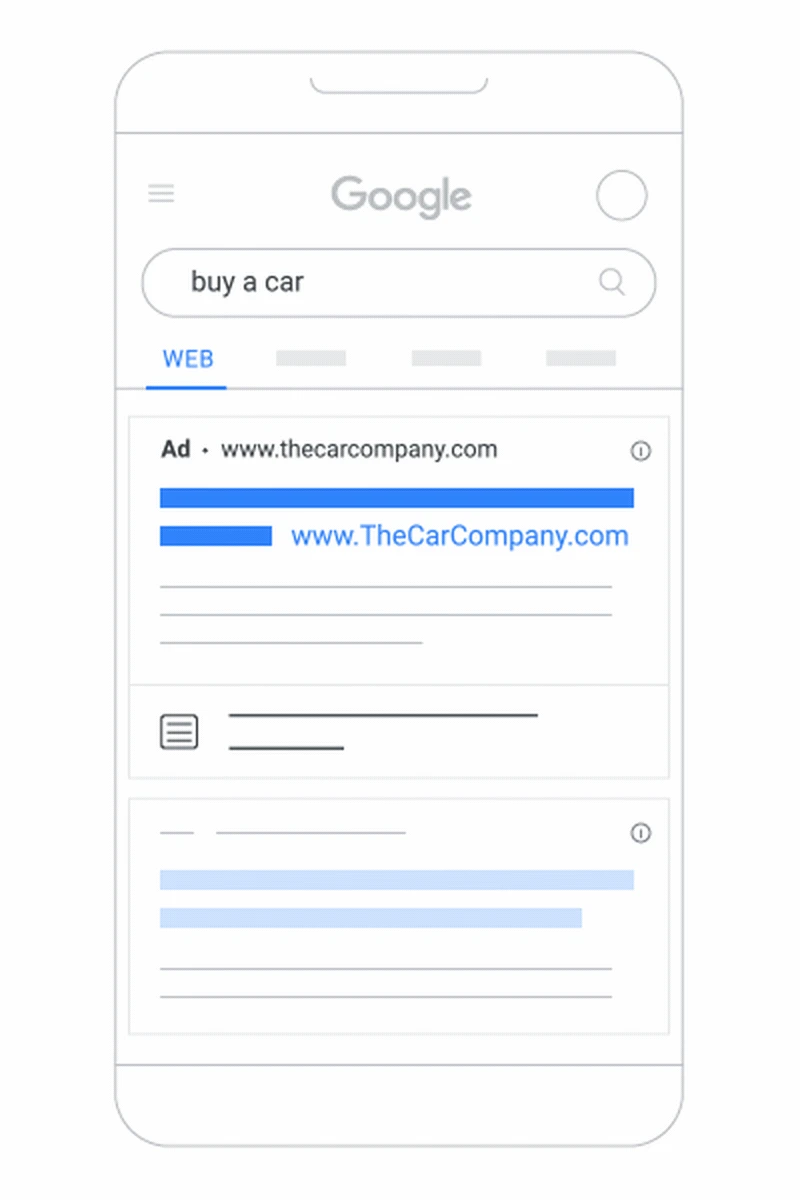
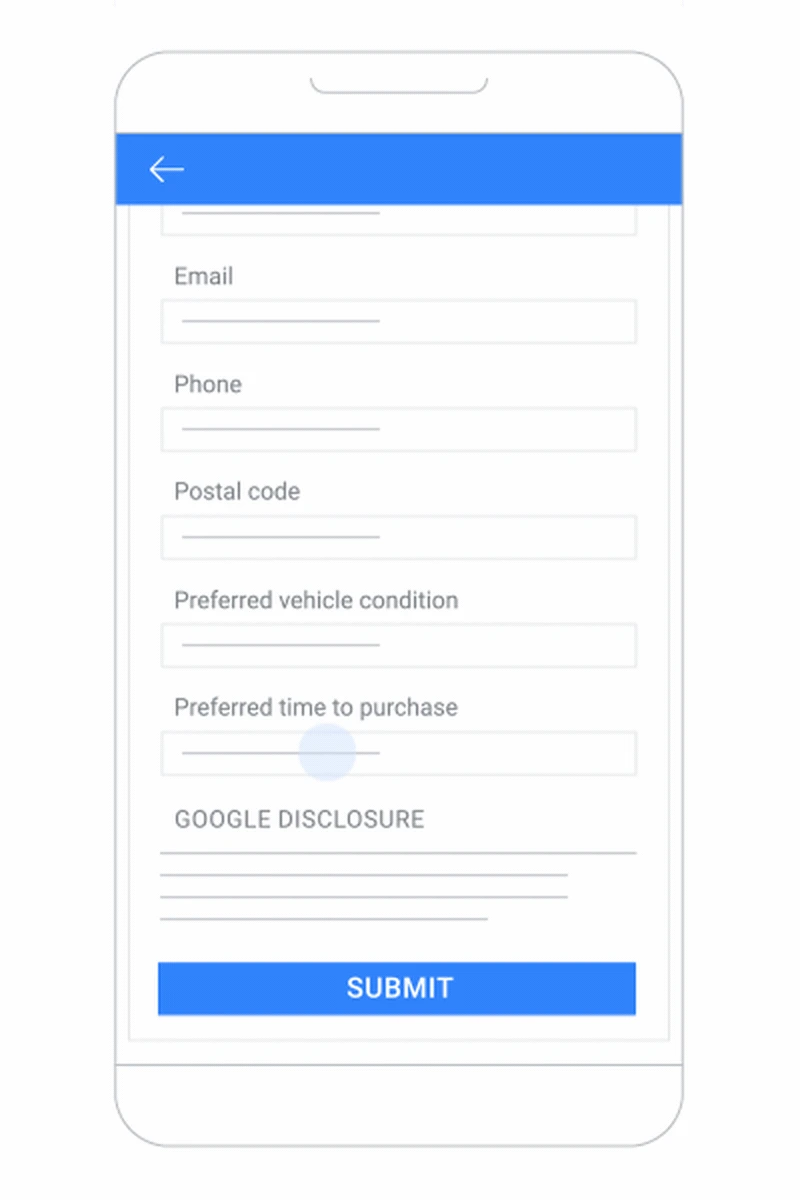
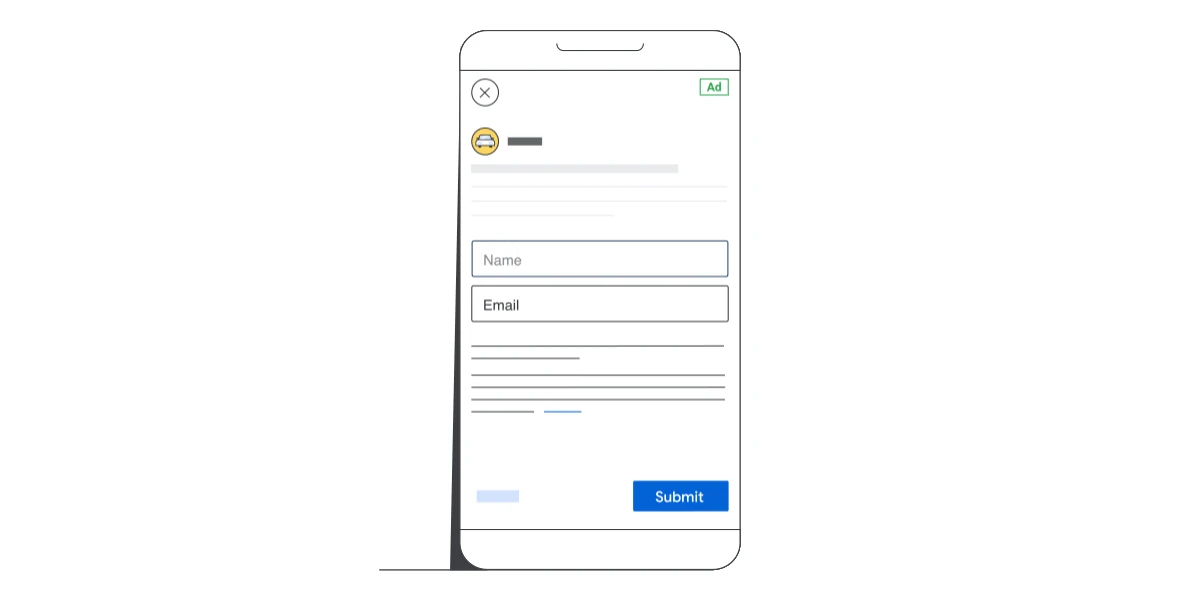
Illustrations from Google Ads Help documentation.
Google policies for destination pages and forms
Google enforces Destination requirements and experience policies for pages an ad points to. Violations can lead to disapproval, with Google issuing warnings at least seven days before suspending an account.
Functional and useful destination pages
Google requires destination pages to be functional, useful and easy to navigate. Destinations returning HTTP errors to Google AdsBot crawlers can be disapproved.
Pop-ups and back button interference
Google can disapprove destinations with pop-ups or interstitials that interfere with seeing requested content or disable a browser back button.
Display URL and domain matching
Google requires display URL domains to match where users land. Redirects taking users to a different domain lead to disapproval for destination mismatch.
No direct file or email destinations
Google states an ad destination must not start a direct download or lead directly to an email address or file.
Privacy policy links on forms
Google Ads lead forms require businesses to provide a link to a privacy policy. This link appears at the end of the lead form.
Consent for texts and emails
Forms for texts need wording capturing written consent under the TCPA. CAN-SPAM requires follow-up emails to have an unsubscribe link and a postal address.
Related digital marketing services from CloudCentric
Connect campaign landing pages with other services. CloudCentric builds digital infrastructure for businesses on the coast from Charleston to Savannah.
Google Ads management
CloudCentric runs Google Ads campaigns for clients. Direct ad traffic to dedicated landing pages built for specific offers.
Web design
Design the main website your landing page sits beside. Give visitors a clear path to learn about your company.
Email marketing
Follow up with contacts captured through landing page forms using automated email sequences.
SMS marketing
Send text messages to people who opted in through your landing page contact form.
Web analytics
Track campaign tags and view your UTM parameters directly in Google Analytics reports.
Geotargeted advertising
Run hyper-geotargeted advertising campaigns and point local traffic directly to your dedicated offer pages.
Build a landing page for your next offer
Setting up a dedicated page requires connecting an offer to a contact list. Read initial steps to launch campaigns and track link parameters.
- 1
Choose the single offer
Decide on one specific promotion or service to feature on the dedicated page.
- 2
Build pages and forms
Create landing pages and configure lead forms that write submissions directly into contact lists.
- 3
Connect automated follow-up messages
Set up an email or text sequence tied to the page so new contacts receive messages about the offer.
- 4
Add tags to links
Append UTM parameters to every campaign link to track source, medium and campaign names in Analytics.
Frequently asked questions
- What is a landing page and how does it differ from my main website?
A landing page is built for one specific campaign or offer. It sits separate from your main website navigation, keeping visitors focused solely on the single promotion that brought them to the page.
- Why should a form write to a contact list rather than only send an email?
A form that only sends an email loses enquiries when you miss that message in your inbox. Writing directly to a contact list keeps every submission safe and allows you to trigger automated follow-up sequences.
- What are UTM tags?
Google Analytics campaign URLs carry UTM parameters to track traffic. Google says to always use tags indicating the referrer, the marketing medium and the campaign name to view data in your Traffic acquisition report.
- What does Google ask of a page my ad points to?
Google requires destination pages to be functional, useful and easy to navigate. Destinations must match the display domain, avoid direct downloads, load properly and avoid pop-ups that interfere with reading or the browser back button.
- Does a form need consent wording for texts, and what do emails need?
Forms for marketing texts need written consent wording as the TCPA requires. Email signups do not need opt-in under CAN-SPAM, but follow-ups need unsubscribe links and postal addresses. This is a summary; a lawyer answers legal questions.
- What does a landing page builder with no code mean here?
CloudCentric builds campaign landing pages and web forms without code. Each form submission writes directly to a contact list and can start an automated email or SMS follow-up sequence.
Ready for campaign landing pages and forms?
CloudCentric builds dedicated landing pages and web forms for local businesses in Charleston, SC.