Security cameras with no monthly fee
Footage recorded on your own premises and viewable from a phone. How many days it holds is set by the camera count, the resolution and the disks fitted.
Lens and mounting height follow the job
A face at a doorway wants a narrow field of view, mounted low enough to be looking at a face rather than at the top of a head. A car park wants the opposite: high, wide, and no expectation of recognising anybody.
Recording lands on a recorder in the building, on disks sized at install. There is no per-camera fee for recording or for viewing.
Retention follows from camera count, resolution and frame rate against the disk capacity fitted. Fewer frames per second buys more days on the same disks.
A camera that identifies a face at a doorway is a different lens at a different height from one watching a yard. Each position is assigned one of these three jobs before a lens is chosen for it.
Storage, search and what each camera can identify
Cameras, recorder and disks are sized as one set: resolution and frame rate set how much each camera writes, and that sets how many days the disks hold.
Recording stays on the premises
The recorder sits in the building on your own network. Recording and playback carry no per-camera charge.
Viewable from a phone
On a phone, a tablet or a browser. Remote viewing goes out through an encrypted relay, so no port is opened on the firewall.
Days of retention
Camera count, resolution and frame rate set how many days the disks hold. The figure is worked out before the disks are ordered.
Faces at a door, plates at a gate
Different jobs take different lenses and different mounting heights. A wide view of a yard records that somebody was there and will not identify them; plates need their own camera aimed along the lane.
Search by person, vehicle or plate
Detection classifies what moved, so hours of recording filter down to the minutes containing a person or a vehicle.
Existing Cat5e or better usually carries it
Cameras take power and data down one network cable. Coaxial from an analogue system carries a different signal and is replaced or converted.
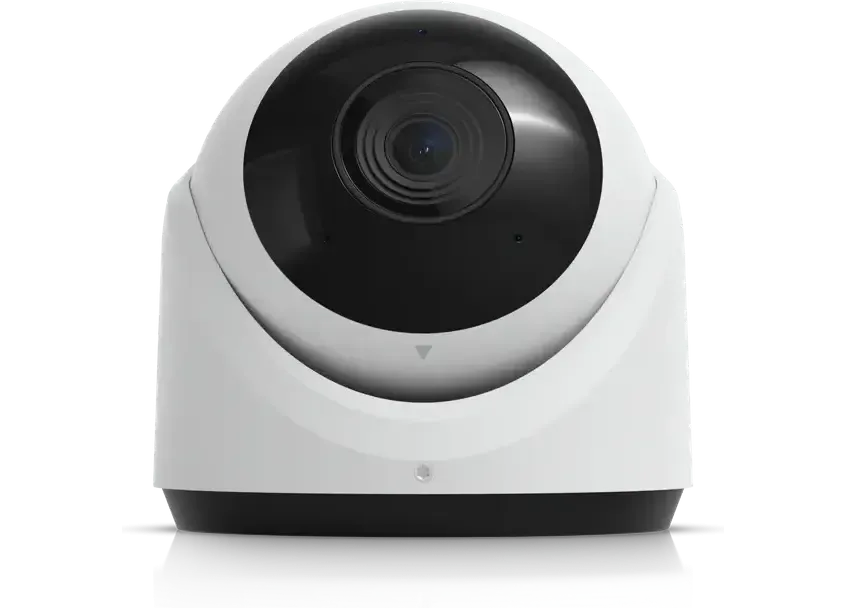
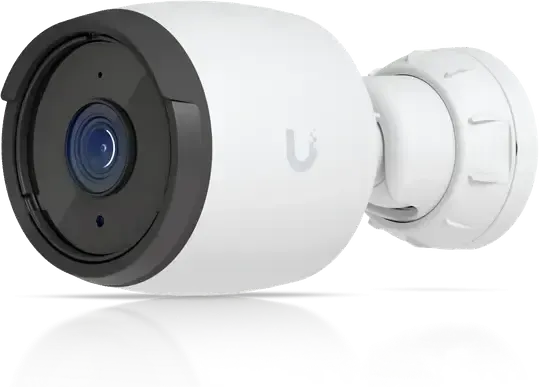
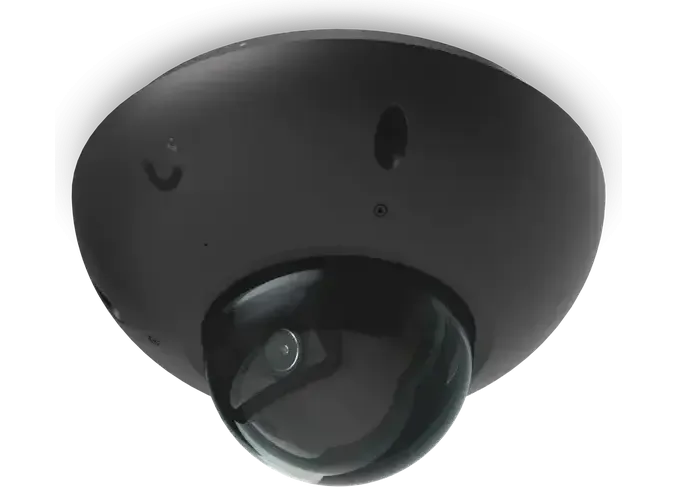
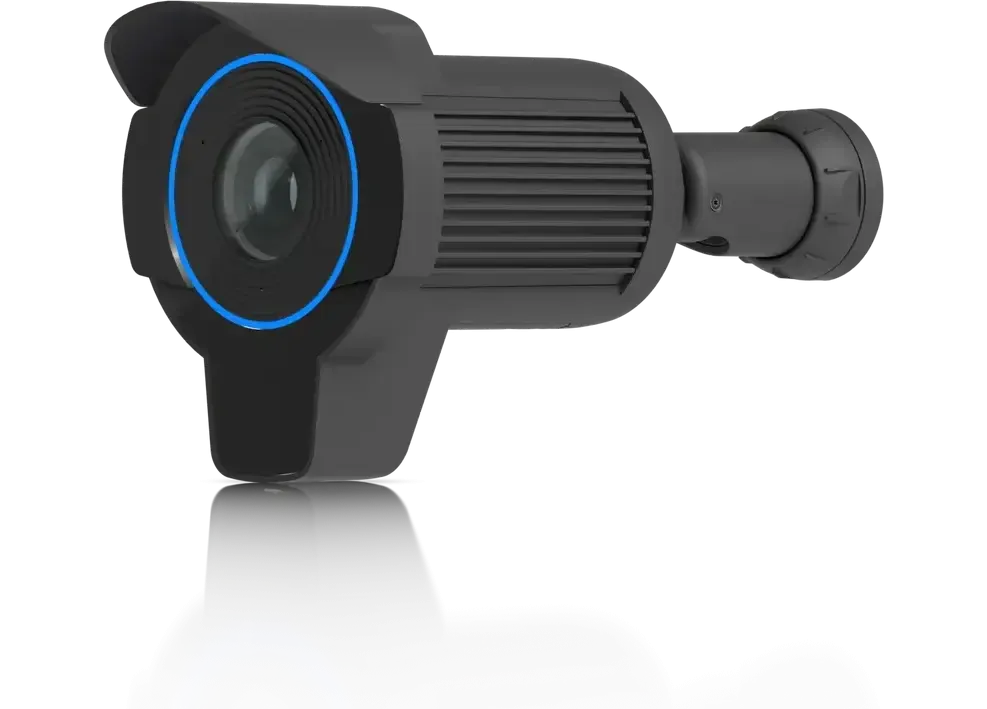
Turret, bullet, dome, plate reader and doorbell
The shape follows the mounting position and the field of view the position needs.
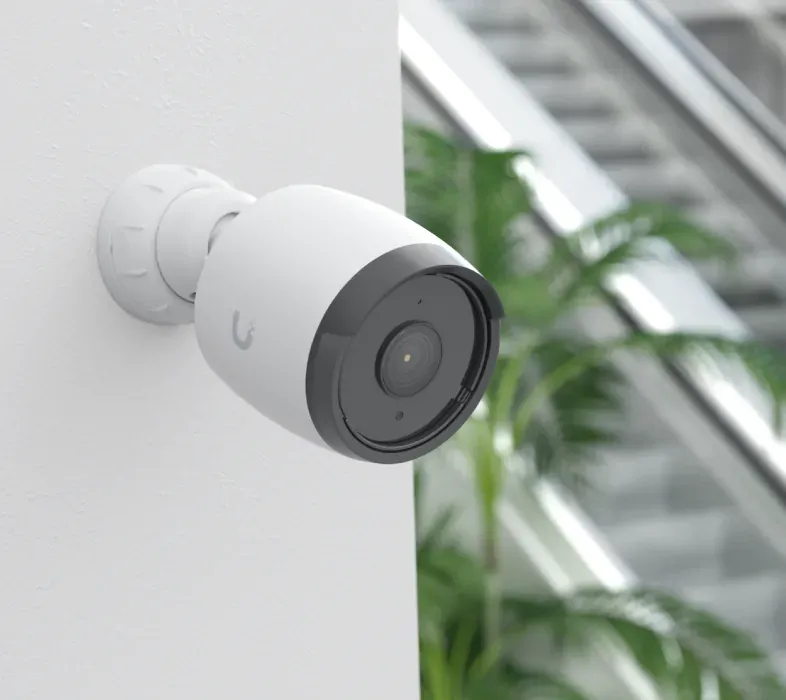
Turret — the general-purpose shape for a yard, a shop floor or a corridor
Bullet — directional and long-range, for a driveway or a fence line
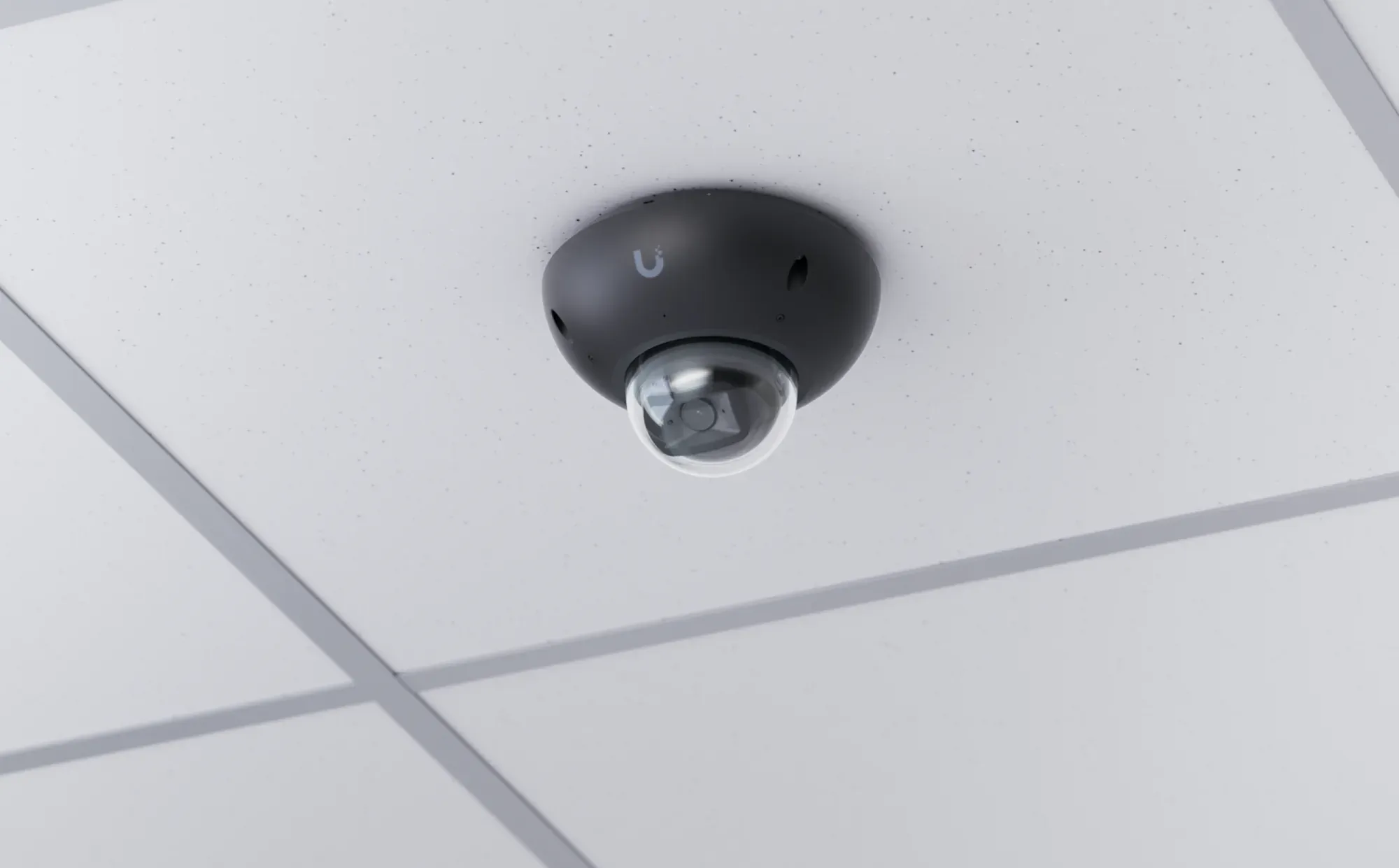
Dome — vandal-resistant, for a public area or a low ceiling
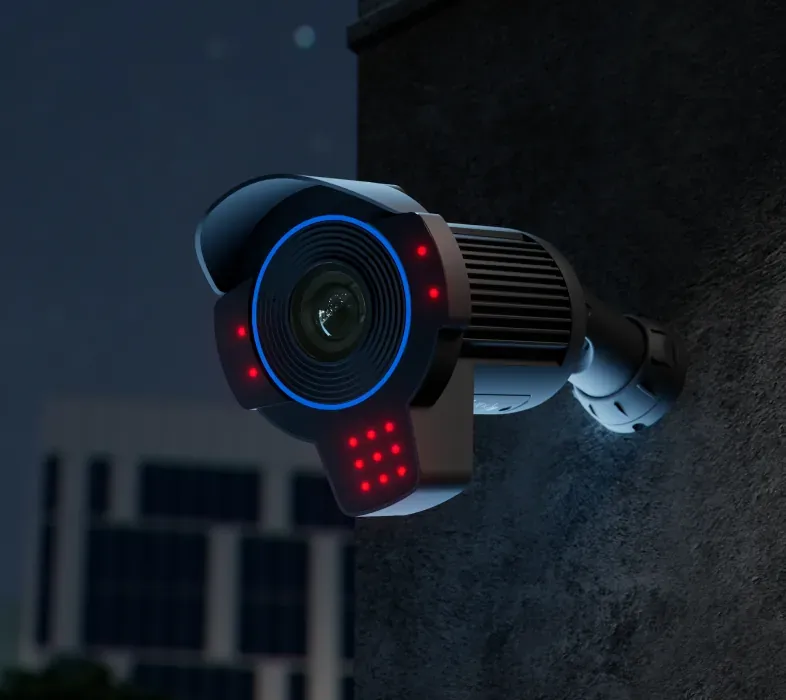
Plate reader — number plates at a gate or a car park entrance
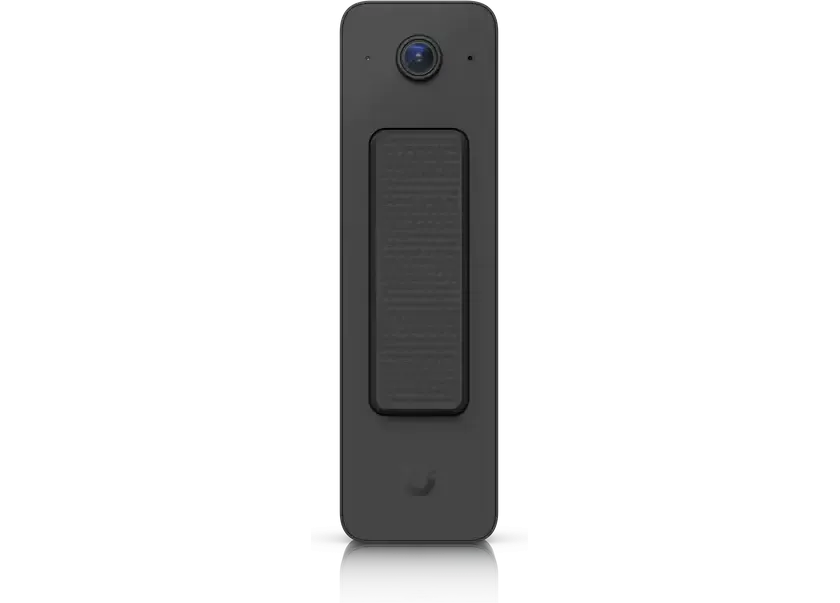
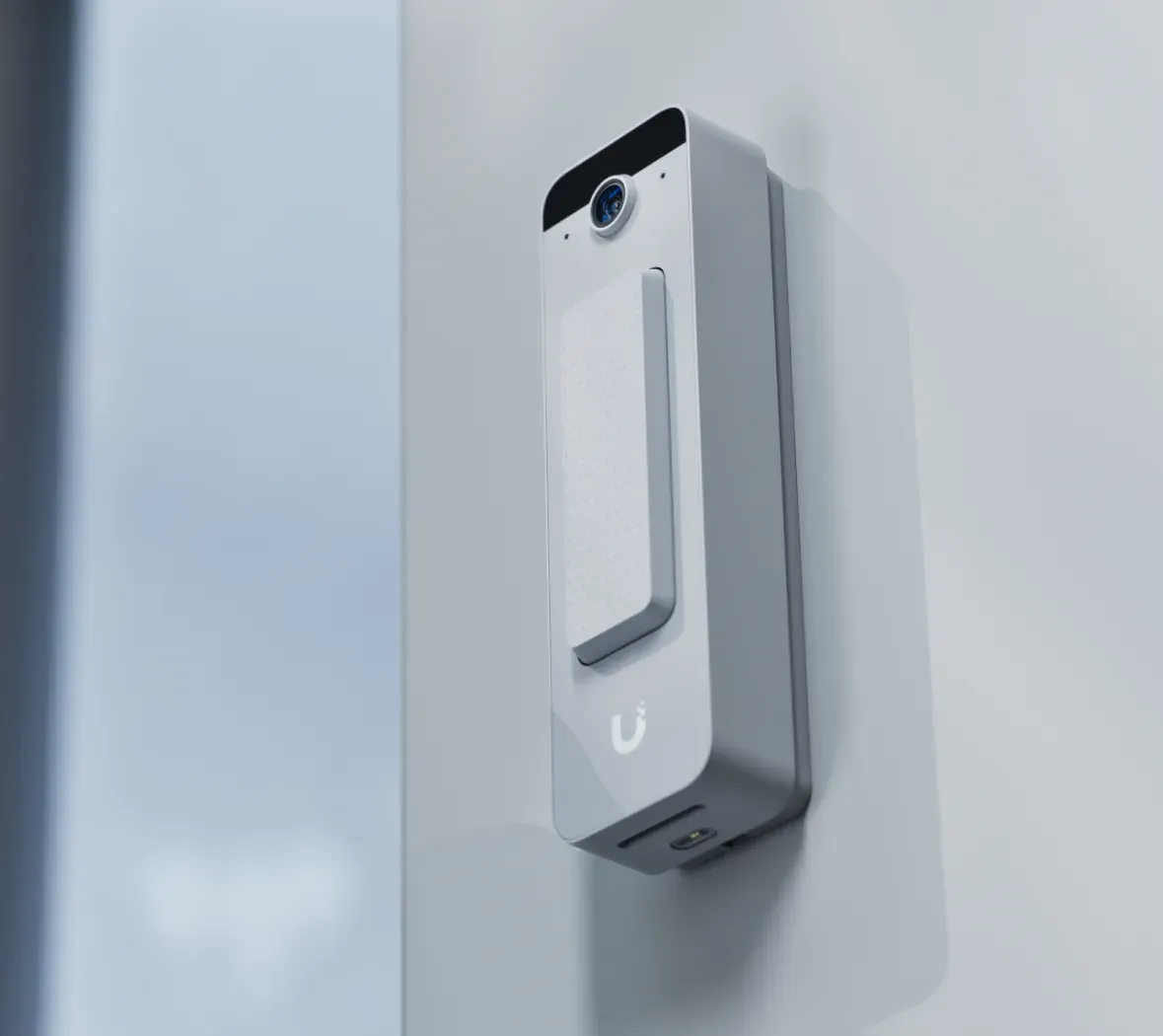
Doorbell — two-way audio and a view of whoever is at the door
How the work runs
A site walk
What each camera is for, where it mounts, and where the sun sits at the hours that matter.
Cabling and mounting
Cat6 back to a switch that powers the cameras. The recorder goes somewhere ventilated, because drive life falls with temperature.
Disks sized to the days
Disk capacity chosen against the camera count, the resolution and the number of days asked for.
Handover
Views set up, remote access working, and whoever reviews footage shown how before anybody leaves.
Questions we get asked
No. Recording goes to a device on your own premises and there is no per-camera subscription for recording or for viewing.
As long as the disks allow. Camera count, resolution and frame rate set the figure, and it is calculated before the disks are ordered.
Yes, on a phone, a tablet or any browser. The connection goes out through an encrypted relay, so no port is opened on the firewall.
Often, if it is Cat5e or better and terminated properly. Coaxial from an analogue system carries a different signal and needs replacing or converting at each camera.
Recording continues. The cameras and the recorder are on your own network, so only remote viewing is affected.
Yes. Detection classifies people, vehicles and number plates, so a search can be filtered to one of those instead of returning every motion event.
Tell us what you need to see
A doorway, a car park, a yard, or all three. The site walk sets the count, the positions and the lens on each one.