(844) 422-7000

The cameras, the doors and the wi-fi are one job

Everything that gets installed in the building, surveyed together so the parts are sized against each other. Twelve of them, each with a page of its own.

A long-lens camera on its bracket
Networks & Internet

What everything else runs on

The cabling, the switching and the line out of the building. Nothing further down this page works without these.

A ceiling access point, seen as a disc

Business Wi-Fi

Access points placed against how the building is built, run from one login whether it is three or thirty.

The gateway that picks which line to use

Internet backup

A second line on a different carrier that takes over by itself, so the tills keep working.

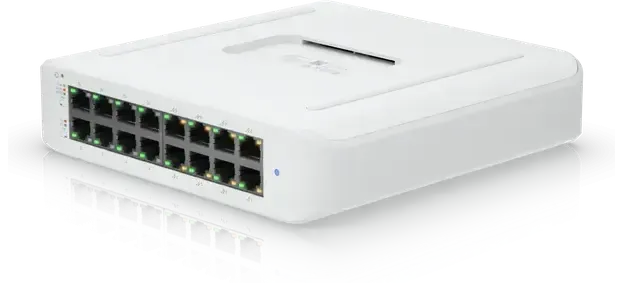
A switch, port face towards camera

Network switches

Data and power down the same cable, so a camera on a soffit needs no socket at the far end.

The box the internet lands in

Business firewall

The box between the building and the internet, with the guest network kept away from the card machines.

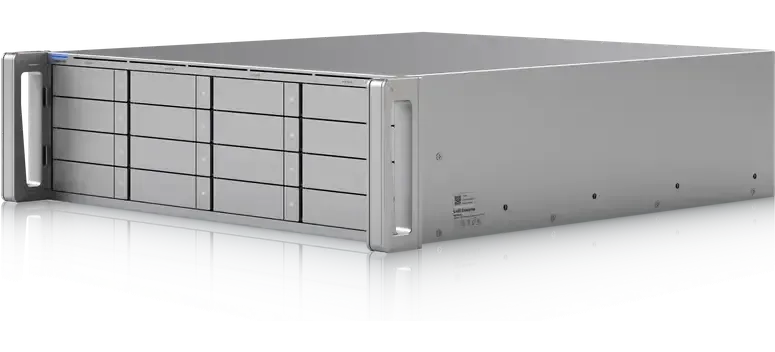
A rack unit with its drive bays across the front

File storage

Shared drives that sit on the same network as the people opening them, and are not paid for again every month.

Security & Access

Who came in, and what happened while nobody was there

Recorded on the premises and kept there, rather than rented back by the month.

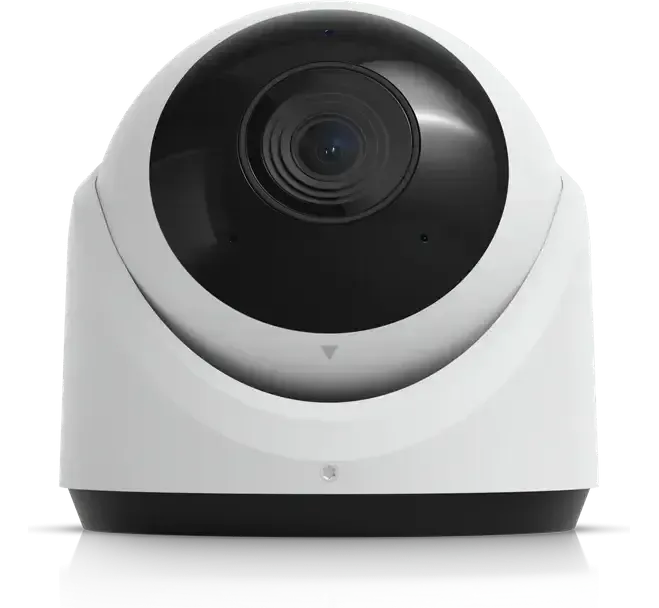
A camera, lens filling the body

Security cameras

Footage recorded on your own premises and kept as long as you want it, viewable from a phone.

A door reader with its screen lit

Door entry

Badge, phone or code, controlled per person and per time of day, on hardware you own.

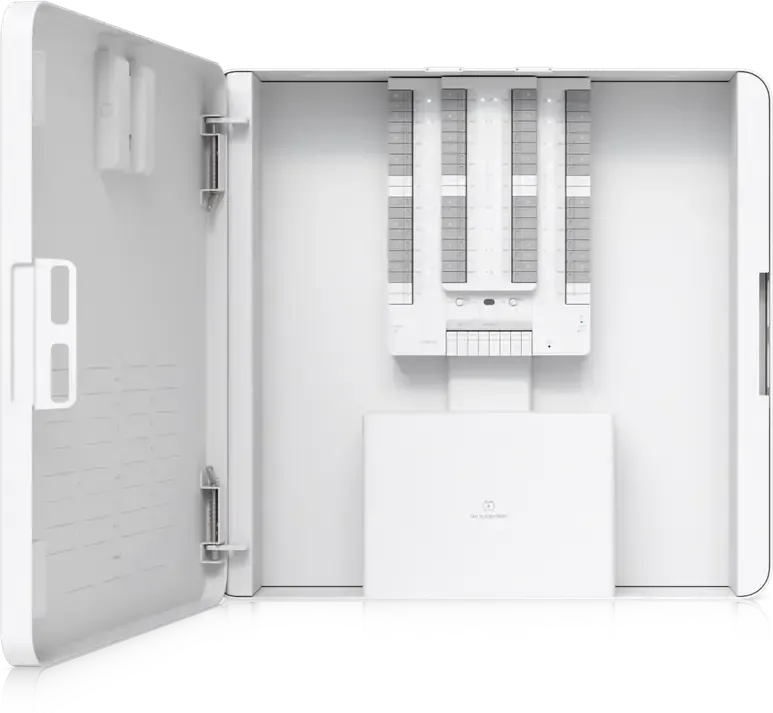
The wall enclosure the sensors report to

Alarm system

Doors, movement and glass, and the things that have nothing to do with intruders — water, heat and cold.

Screens, Phones & Power

The parts people actually touch

What staff and customers use daily, and the power that keeps it from restarting.

The player that sits behind a screen

Digital signage

Menus, specials and live pages on the screens already on the wall, changed from a laptop.

A desk phone in its cradle

Business phone systems

Desk phones or Teams, with the same numbers and the same directory on either route.

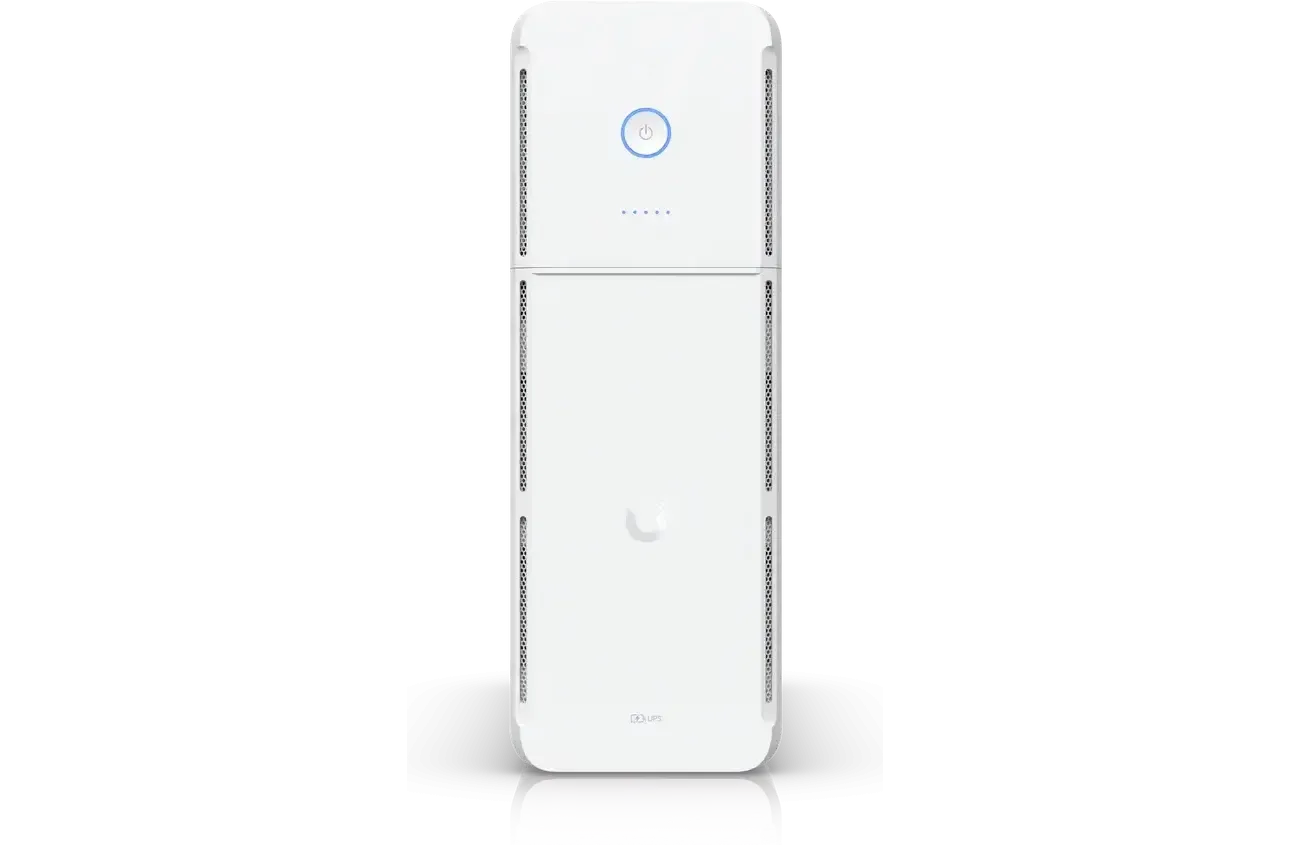
A tower battery, standing on end

Battery backup

The short outage passes without a single switch, camera or reader restarting.

A charging point with its connector alongside

EV charging

A charging point that knows who plugged in and how much they took, so the electricity is a line you can account for.

Why they are quoted together and not one at a time

The cameras, the readers at the doors, the access points and the phones all run on the same cabling and take their power from the same switch. They are not separate purchases that happen to be in the same building.

Sizing them one at a time is how a cabinet ends up full and a power budget ends up short. The survey covers the whole building at once, so the switch that goes in has room for what arrives next year.

Most jobs are two or three of the twelve rather than all of them. Each has its own page below.

The line inAND THE BACKUP LINEONE BUILDINGOne cabinetSWITCHING, STORAGE, BATTERIESAccess pointsIN THE CEILINGSCamerasOUTSIDE AND INDoor readersAT THE OPENINGSPhonesDESKS AND CORRIDORSScreensMENUS AND NOTICESCharging pointOUT IN THE LOTONE CABLE TO EACH, AND THE POWER COMES DOWN IT
The line inAND THE BACKUP LINEOne cabinetSWITCHING, STORAGE, BATTERIESEVERY ONE OF THESE, ON ITS OWN CABLEAccess pointsIN THE CEILINGSCamerasOUTSIDE AND INDoor readersAT THE OPENINGSPhonesDESKS AND CORRIDORSScreensMENUS AND NOTICESCharging pointOUT IN THE LOTAND THE POWER COMES DOWN IT

Every system on this page terminates in the same cabinet and is powered from it. That is what makes them one job rather than several.

How it works

How the work runs

01

A walk of the whole building

Every opening, every ceiling and wherever the internet arrives, in one visit rather than one per system.

02

One quote, itemised

Equipment and labour together, split by system so a line can be dropped without re-pricing the rest.

03

Cabled once

The pulls for cameras, readers, access points and phones are the same pulls, so the ceilings come down once.

04

Handed over with the drawings

Logins, labelled ports and a record of what is where, so the next person to open the cabinet is not guessing.

Questions we get asked

Do all of these have to be done at once?

No. Most buildings start with the cabling and the switching, because everything else hangs off those, and add cameras or door entry after. Sizing the first stage for what is coming is what keeps the second stage from meaning a new cabinet.

Do you supply the equipment as well as fit it?

Yes, and the two are quoted together. Equipment bought separately still has to be sized against the power budget and the cabinet, so splitting the order tends to move that work rather than remove it.

Can this go into a building that already has some of it?

Usually. Existing cabling is tested and reused where it passes, and what is already on the walls is surveyed before anything is quoted to replace it.

Who holds the logins afterwards?

You do. The systems run on hardware in your building and the accounts are in your name, so nothing here depends on a login only we hold.

Do you work outside Charleston?

Yes — Mount Pleasant, North Charleston, Summerville, Daniel Island and the surrounding Lowcountry.

Start with what the building has to do

How many rooms, how many doors and what already runs there. That is enough to say which of the twelve are involved.

CloudCentric · Mount Pleasant, SC · serving Charleston and the Lowcountry(844) 422-7000