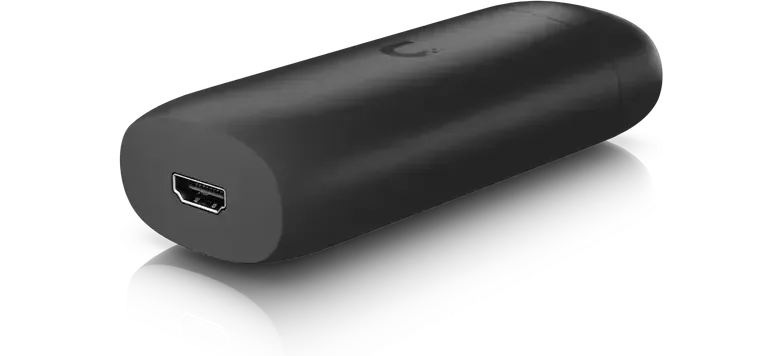
Turn any flatscreen into a digital menu board
A player the size of a phone behind the screen you already own. Menus, specials, wait times and live pages, changed from a laptop.
For restaurants, bars and anywhere with a menu
A printed menu board goes out of date the moment a supplier changes a price or the kitchen runs out of something. A screen changes in seconds, from a laptop, without anybody carrying a stepladder into a full dining room.
The screen itself is an ordinary flatscreen — the one already on the wall is usually fine. A player the size of a phone sits behind it on the HDMI port and takes its power from the same place.
Breakfast at seven and dinner at five can be two layouts on a timer, so the board changes itself while the kitchen is busy.
Three screens in one room are rarely showing the same thing, and none of them shows the same thing at five as at seven. The schedule holds both, so the board changes while the kitchen is busy.
What the screens can do beyond a menu
The menu is what people buy it for. The rest is what they find they can put on the wall afterwards.
A menu that changes from a laptop
Prices, specials and a sold-out line are edited in a browser and appear on every screen. Nobody reprints anything and nobody touches the televisions.
Anything with a web address can be on screen
A wait-time board, an order queue, an availability page or a dashboard from a system you already run. If it opens in a browser it can go on the wall.
Different screens showing different things
The board over the counter, the specials board by the door and the screen in the back bar can each run their own content, managed together from one place.
Scheduled by time of day
Breakfast, lunch and evening layouts change on a timer. Happy hour can start itself.
Sound in more than one room
The same system carries music to a dining room, a patio and a back bar as separate zones, each with its own volume.
It survives a power cut
Screens come back to the right content on their own when power returns, because the schedule lives on the network rather than on a memory stick in the back of the TV.
One player per screen, and whatever the sound needs
The players differ by how much a single screen has to do. The audio pieces are only involved where music is part of the room.
The main player — 4K, web pages and scheduled playlists
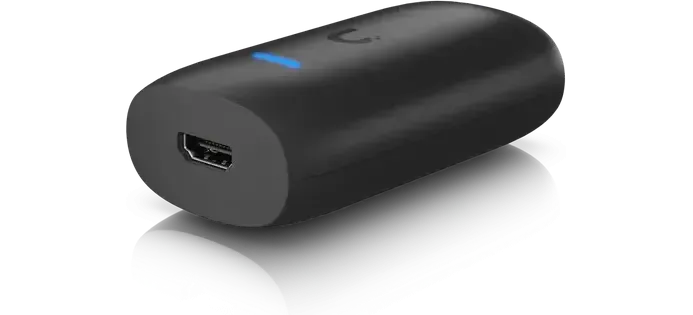
The simpler player — one screen, one playlist, 1080p
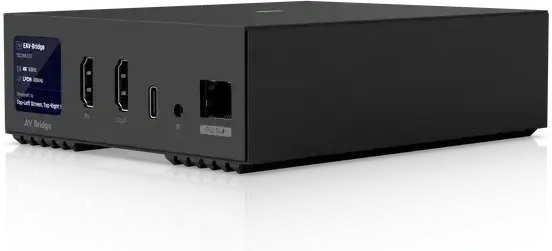
Sends picture and sound over network cable, for a screen a long way from the source
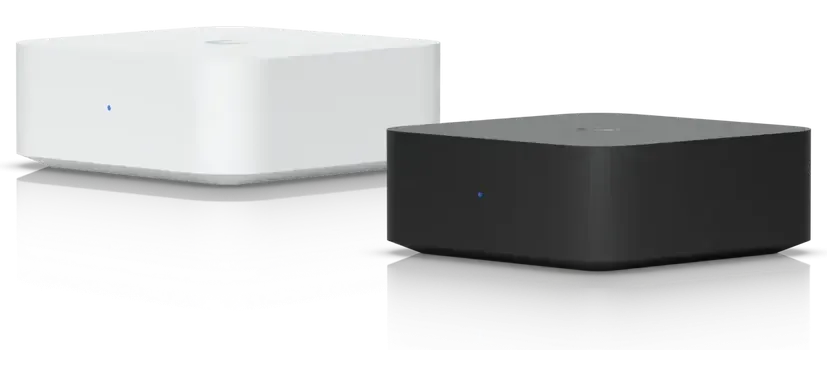
Music to a zone — patio, dining room or back bar
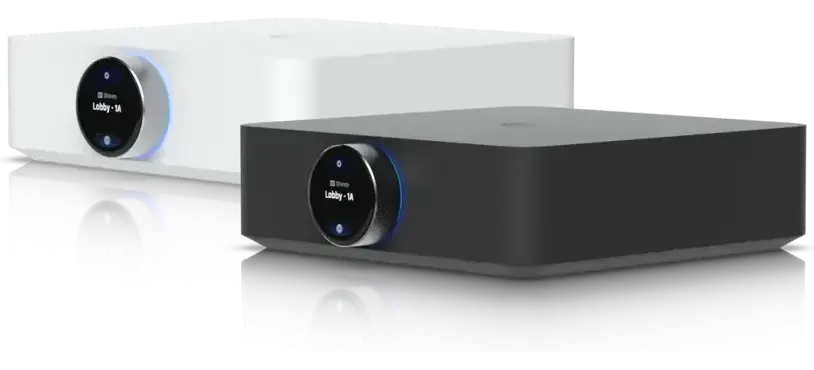
Drives ceiling speakers without a separate rack amplifier
How the work runs
A look at the room
Where the screens go, what they have to be readable from, and whether the power and the network already reach.
Cabling and mounting
Brackets, cable routed out of sight, and power put where the screen is rather than where the socket happens to be.
The first layout built with you
Your menu, your prices, your typefaces. It is set up with somebody from the business in the room.
Handover
Whoever changes the menu is shown how, on the day, on their own laptop.
Questions we get asked
If it has an HDMI port, yes. The player connects to HDMI and takes power from a USB-C adapter, so most commercial and consumer flatscreens are fine.
Yes. Content is managed from a browser, so a price change or pulling a sold-out special takes effect on the screens without anybody touching the televisions.
Yes. Anything with a web address can go on screen — a wait-time board, a live queue, an availability page, or a dashboard from a system you already run.
Several players are managed together from the same place, showing the same content everywhere or something different on each screen.
Not from the same player. Putting camera views on a screen uses a separate display device, which is quoted with the camera work rather than with the signage.
The content is held locally, so the screens keep showing the last schedule. Changes made from a laptop reach them again when the line is back.
Send us a photograph of the wall
Tell us how many screens and what goes on them. We quote the screens, the players and the installation together.