(844) 422-7000

The files stay in the building

Shared drives that open at full speed because they sit on the same network as the people using them, and are not paid for again every month.

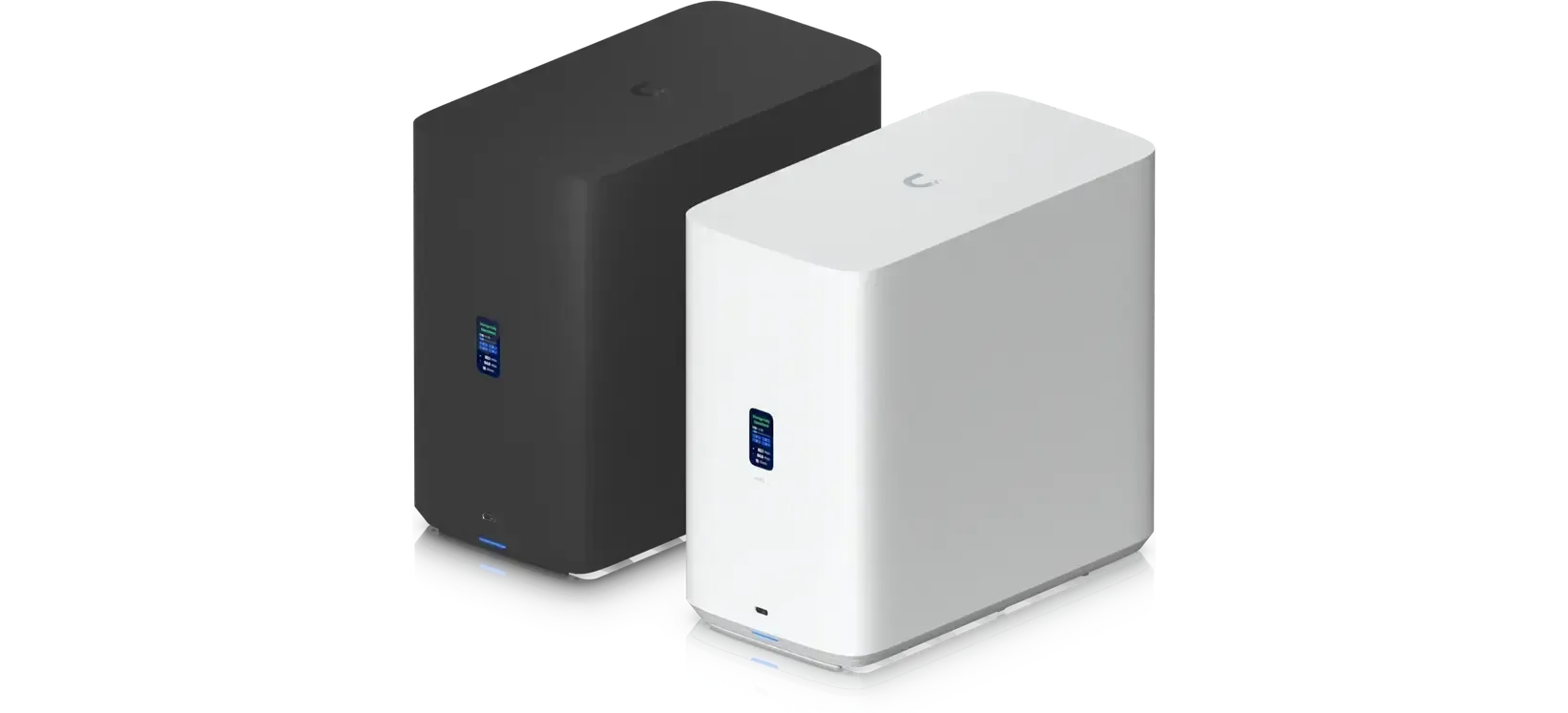
Sits on a shelf, for an office with no rack

A shared drive is not the same thing as cloud storage

Cloud storage is built for files that travel between people. A shared drive is for files a whole office opens, edits and saves back all day, and the difference shows the moment a file is large.

A drawing set or a video opens at the speed of the network it sits on. Down a line shared with the rest of the office that is a wait; on the same switch it is instant.

The two are not rivals. Most buildings end up with both, and the only question is which files belong where.

Storage inTHE BUILDINGShared drivesTHE FILES PEOPLE OPEN ALL DAYCamera footageWEEKS OF IT, NO MONTHLY FEEBackup targetWHERE THE COPIES LANDONE BOX, NOT THREE SUBSCRIPTIONS
Storage in the buildingONE BOXShared drivesTHE FILES PEOPLE OPEN ALL DAYCamera footageWEEKS OF IT, NO MONTHLY FEEBackup targetWHERE THE COPIES LANDNOT THREE SUBSCRIPTIONS

The same box usually ends up doing all three, which is why it pays for itself rather than being a feature list.

What you get

Why the files are better off here

Three jobs, and almost nobody buys it for more than one of them to begin with.

Large files open at full speed

Drawings, video and design files load off the local network rather than down the internet line, so nobody waits on a progress bar before starting work.

Camera footage has somewhere to live

Weeks of recording kept on site, on storage sized for it, with no per-camera charge attached to keeping it.

Backups have a target

Somewhere on site for copies to land, which is the half of a backup plan people usually find is missing.

Permissions follow the staff list

Who opens which folder comes from the same directory as everything else, so a leaver is one change rather than a hunt.

Drives are paired, not single

Copies are written across more than one drive, so a drive dying is a replacement rather than an incident.

Visible with the rest of the network

Capacity and drive health appear in the same console as the switches and cameras, so it is not the thing nobody checks.

The equipment

On a shelf, or in the rack with everything else

Drive count is what separates them, and a shelf will do until that count goes up.

Sits on a shelf, for an office with no rack
Sits on a shelf, for an office with no rack

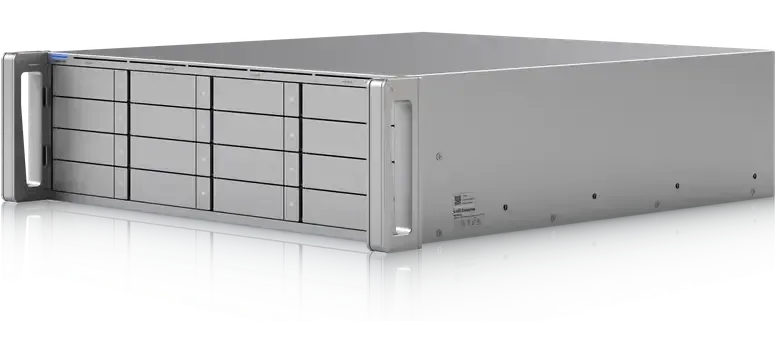
Rack-mounted, more drives, for footage and file shares together

Rack-mounted, more drives, for footage and file shares together

How it works

How the work runs

01

What is opened, and by how many

The kinds of file, their size, and how many people have them open at once. Capacity follows from that rather than from a round number.

02

How long footage has to be kept

Where cameras are involved this is the number that sets the size, and it is usually the one nobody has been asked.

03

Racked and paired

Drives installed in a paired arrangement, on the network, sharing set up against the existing staff list.

04

Proved by restoring something

A file is pulled back at handover. A backup nobody has restored from is a plan, not a backup.

Questions we get asked

Is this instead of cloud storage?

Usually alongside it. Files that travel between people suit the cloud; files a whole office opens all day are faster on the local network. Most buildings run both.

What happens if a drive fails?

Copies are written across more than one drive, so a single failure is a swap rather than a loss. Drive health is reported before it becomes a problem.

Can it hold our camera footage?

Yes, and it is one of the common reasons to fit one. Retention sets the size, so how many weeks you want decides the capacity.

Is it a backup?

It is somewhere backups can land, which is not the same thing. A copy in the same building as the original is one copy; a second copy elsewhere is what makes it a backup.

Do we need a rack?

No. The smaller units sit on a shelf. A rack starts to matter once footage and file shares are on the same box and the drive count goes up.

What is the largest file somebody opens

That, how many people open it, and whether cameras are going on it. The size comes out of those three.

CloudCentric · Mount Pleasant, SC · serving Charleston and the Lowcountry(844) 422-7000