(844) 422-7000

The freezer fails at 2am and somebody knows

Doors, movement and glass, and the things that have nothing to do with intruders — water on a floor, a room getting too warm, a freezer drifting. One system, one alert.

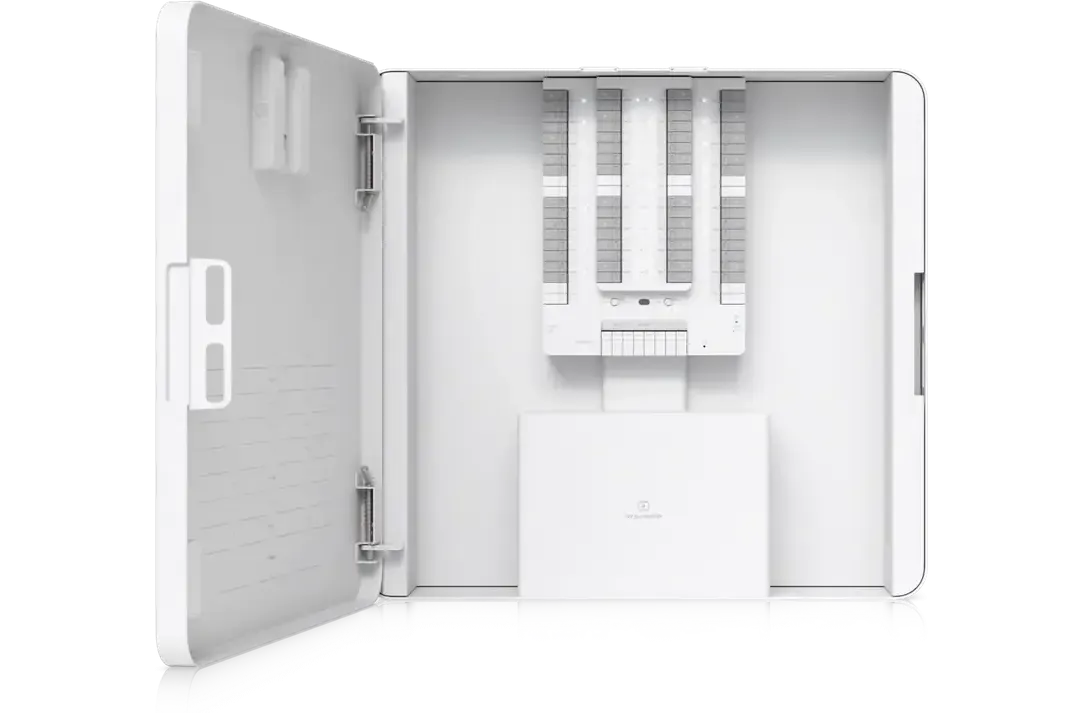
The panel it all reports to, usually in a cupboard

Most of what goes wrong overnight is not a break-in

A pipe letting go over a weekend, a walk-in drifting up through the night, a server room whose cooling stopped on Friday. None of it trips a burglar alarm.

They are the same shape of problem: something changed in an empty building and nobody found out until morning. The sensing differs; the alerting is identical.

So they belong on one system, rather than a burglar alarm plus a separate box for the freezer that somebody stops checking.

Doors and windowsOPENEDMovement insideAFTER HOURSGlassBROKENWater, heat, coldOUT OF RANGEOne hubDECIDESNoise, inside and outPEOPLE NEARBY KNOWYour phoneWHOEVER IS ON CALLThe logWHAT HAPPENED, AND WHENA FREEZER AT 2AM AND A DOOR AT 2AM ARE THE SAME ALERT
Doors and windowsOPENEDMovement insideAFTER HOURSGlassBROKENWater, heat, coldOUT OF RANGEOne hubDECIDESNoise, inside and outPEOPLE NEARBY KNOWYour phoneWHOEVER IS ON CALLThe logWHAT HAPPENED, AND WHENSAME ALERT, WHATEVER TRIPPED IT

Everything arrives at the same place, which is why a freezer drifting overnight reaches somebody the same way a door does.

What you get

What the building can tell you

Sensors are the cheap part and the wiring is the expensive part, so the useful question is what you want to hear about.

Doors and windows opening

Contacts on the openings that matter, armed on a schedule, so a door at 3am is an alert and the same door at 8am is not.

Movement in an empty room

Motion sensing that knows opening hours from everything else, rather than one that gets switched off for crying wolf.

Glass breaking

Listens for the sound instead of waiting for someone to cross a beam, which is the difference between catching entry and catching presence.

Water where it should not be

Under a sink, behind a heater, on a plant room floor. The cheapest sensor here and the one that most often pays for the rest.

Temperature drifting

Walk-ins, server rooms and stock rooms watched against a range, with the alert going while there is still time to act.

A log of what actually happened

Every trip recorded with a time, so a question about last Tuesday has an answer instead of a theory.

The equipment

The panel, the sensing and the thing that makes the noise

The sensors themselves are small white units that disappear into a door frame, which is the point of them. These are the three parts anybody would actually notice.

The panel it all reports to, usually in a cupboard

The panel it all reports to, usually in a cupboard

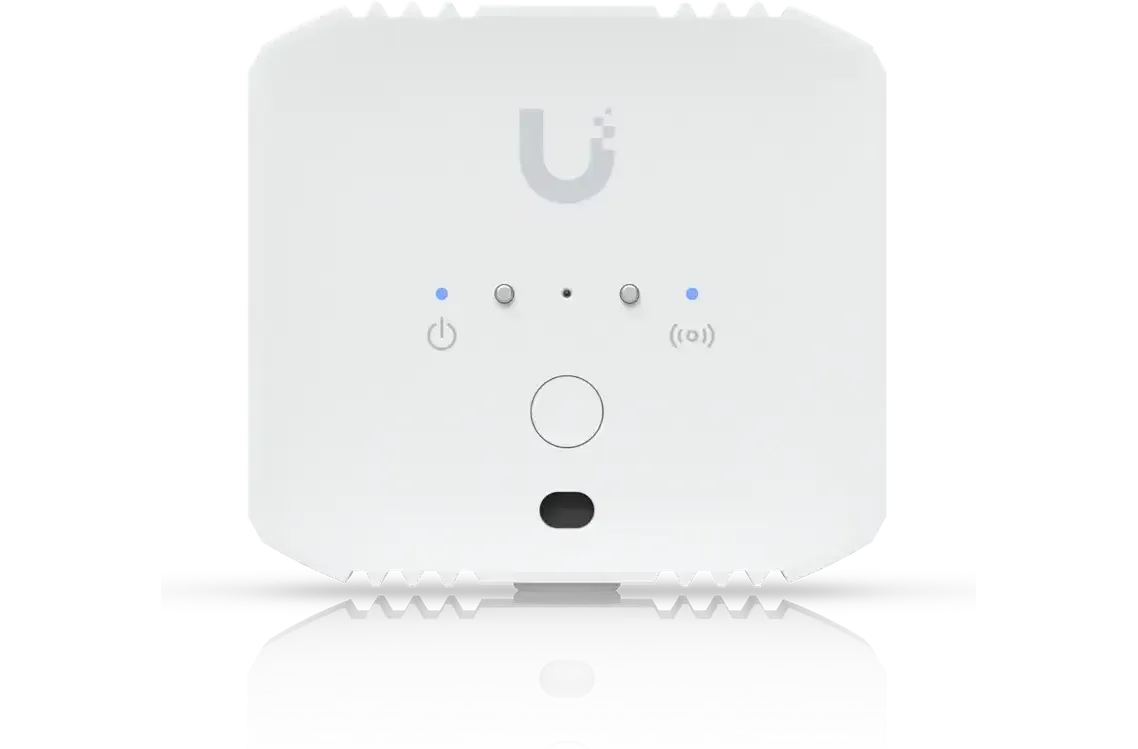
Watches water, temperature and humidity in one place

Watches water, temperature and humidity in one place

Outdoor horn, for when the response has to be heard

Outdoor horn, for when the response has to be heard

How it works

How the work runs

01

What you want to be told about

Written down first, because the sensor list falls out of it. Most people start with two or three things and add later.

02

A walk of the openings

Doors, windows and the rooms worth watching, plus where the panel goes and whether power and network already reach it.

03

Sensors placed and paired

Fitted, paired to the panel, and the arming schedule set against when the building is actually empty.

04

Tested by setting it off

Each sensor tripped deliberately at handover, and the alert confirmed arriving on the right phone.

Questions we get asked

Is this a monitored alarm?

Alerts go to whoever you nominate, on their phone, with a log behind them. Where a monitoring service is wanted that is a separate arrangement and the system supports it.

Can it watch a walk-in or a server room?

Yes, and it is one of the more common reasons to fit it. A range is set and the alert goes while there is still time to do something.

Do the sensors need wiring?

Most are wireless and battery powered, so an existing building does not get opened up. The panel needs power and network; the sensors mostly do not.

What happens if the internet is down?

The panel keeps its schedule and keeps recording locally. Getting the alert out is what needs the line, which is why a second path to the internet often sits alongside this.

Will it go off by accident?

Placement decides that. A motion sensor pointed at a vent or a draughty doorway is the usual cause, and it is a survey problem rather than an equipment one.

Name the two things you would want a call about

Not the whole building. The two that would ruin a weekend are enough to size the first version.

CloudCentric · Mount Pleasant, SC · serving Charleston and the Lowcountry(844) 422-7000