Protocol inspection
Firewall rules filter by address and port. Network hardware does not read or inspect industrial protocols within the traffic.

Industrial network security
Vendors reach one machine for the length of a job using a gateway VPN, and access is switched off when the work ends.

Persistent path risks
Cellular modems or port-forwards set up for one job stay open for years. Replacing these paths with gateway VPN access provides controlled entry.
Each contractor uses a dedicated connection to reach the facility network rather than a modem attached directly to a controller.
Rules limit each connection to specific controller addresses and ports, preventing access to the rest of the network.
VPN credentials are disabled once the service job is complete so no permanent path remains open.
Remote access for vendors varies by the equipment and regulations at each facility. Every configuration limits contractors to their own systems while protecting the network.
Site note
Key needs
Shifting from modems on individual controllers to a central gateway VPN limits vendor movement. Firewall policies restrict traffic to a single machine address.
Modems on controllers stay reachable from the internet and nothing says who used them or which other machines they touched.
Vendors reach one machine through the gateway. Other controllers remain out of reach, and the policy can send each connection to a remote log.
Example network; machine names are an example, not a customer site.
Vendor requests involve activating a dedicated VPN account and manually switching it off once work is verified.

Network app groups networks and VPNs into zones. Policies written for the VPN zone cover everything arriving over VPN, so each vendor account is limited to its own controller.
Firewall rules define exactly which IP addresses and ports a vendor can reach. Policies prevent lateral movement to other controllers.
Flow records for each policy go to a remote SIEM when selected. Logs show source, destination, and timing of vendor activity.
Using VPNs with strong passwords and least privilege follows primary OT mitigations listed by CISA to reduce network risk.
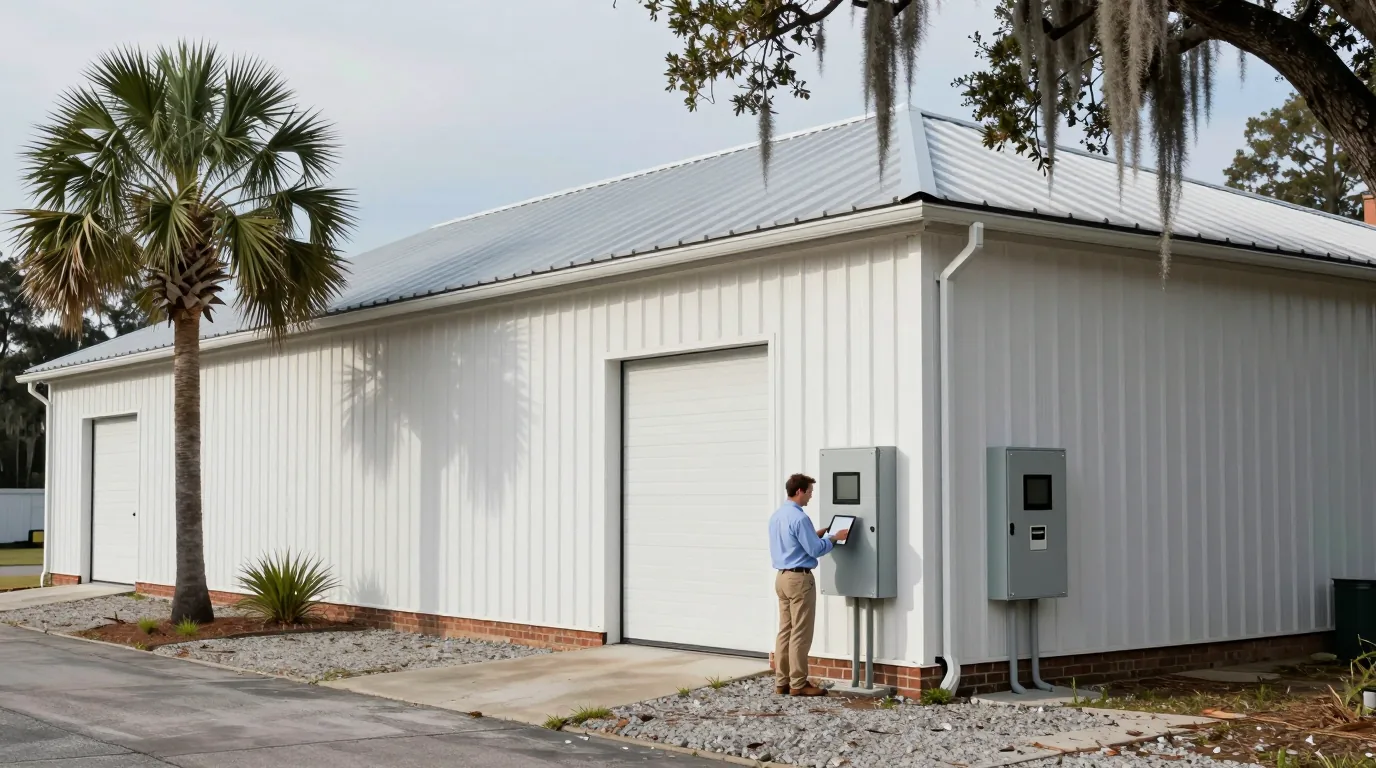
Gateways and routers provide the infrastructure for VPN servers and firewall policies. Hardware manages the connection instead of individual modems.
Firewall rules filter by address and port. Network hardware does not read or inspect industrial protocols within the traffic.
Logging is a per-policy choice. Flow records are not recorded by default and require a remote log server.
Dedicated OT remote-access products are required for sites needing session recording, per-session approval, or jump-host brokering.
Assessment records every controller, HMI, and modem to find every existing vendor remote-access route. Walk records findings without changing any PLC program.
Clean backups of PLC programs are saved before any hardware changes or modem removals occur at the facility.
VPN accounts and firewall policies are created for each vendor, limiting them to specific equipment and ports.
Existing modems are removed and the new VPN path is tested with the vendor to confirm access to their equipment.
Yes, vendors reach machines by VPN to the gateway. This replaces modems with a path that can be switched on and off.
Access lasts for the duration of the scheduled service job. CloudCentric switches off VPN accounts once work ends and keeps credentials disabled between calls.
Per-policy logging sends flow records to a remote server when chosen. This shows which vendor reached which controller and when.
No, firewall policies restrict the connection to listed machines only. Other equipment on the network remains unreachable.
CloudCentric supplies the limited, documented access a plan describes. Hardware and configuration do not certify compliance with regulations.
Service begins with a site walk recording every controller, modem, and vendor remote-access route. Call (844) 422-7000 to schedule an assessment.
Call (844) 422-7000 to list every vendor path and modem at your facility.