Proposal first drafts
AI proposal drafting from past winning submissions
We read your bids and questionnaires and answer them using your approved past material, sending drafted Word documents to named reviewers.

Built from past work
Drafts assembled from approved boilerplate and method statements
We assemble your first drafts using indexed past winning submissions, current boilerplate, method statements, capability statements, and staff biographies.
- 1
Solicitations broken into requirements
Solicitations are read and broken into a numbered list of everything needing an answer, including shall, must, and will statements in appendices.
- 2
Source documents named directly
Each requirement is drafted against indexed material, naming source documents directly beside each paragraph.
- 3
Drafted to limits and styles
Answers are fitted to character limits, word counts, or page limits, arriving in submission format like a Word document with its own styles.
AI proposal drafting for local professional firms
We draft your past answers into submission formats like a Word document, sending each draft directly to a named reviewer.
Select a firm type
Related proposal services
Services behind approved proposal drafts
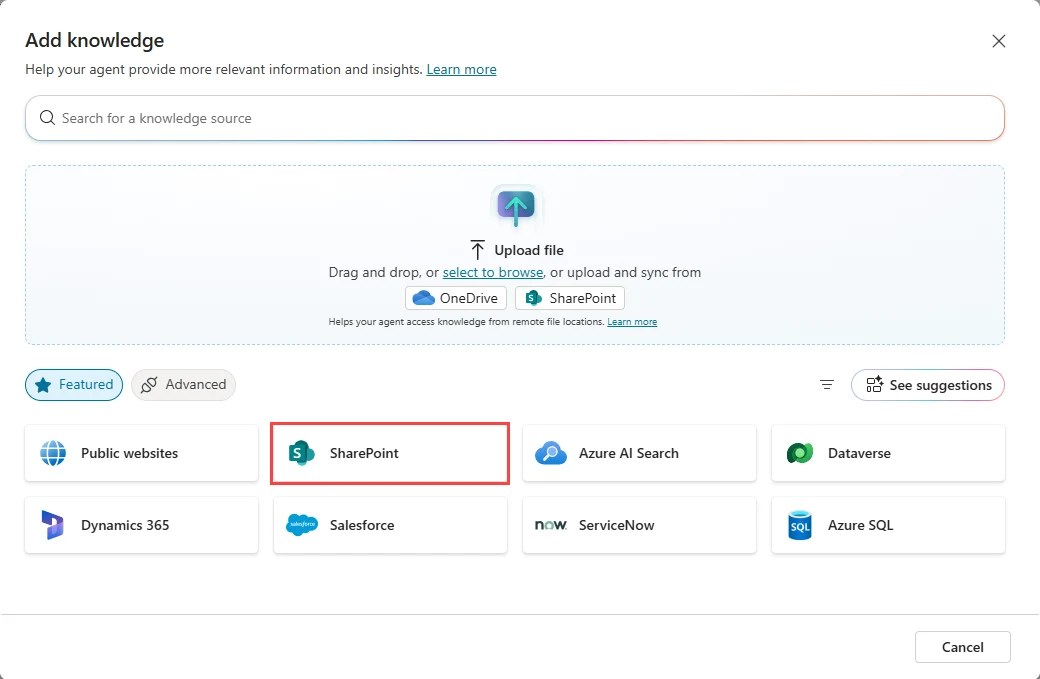
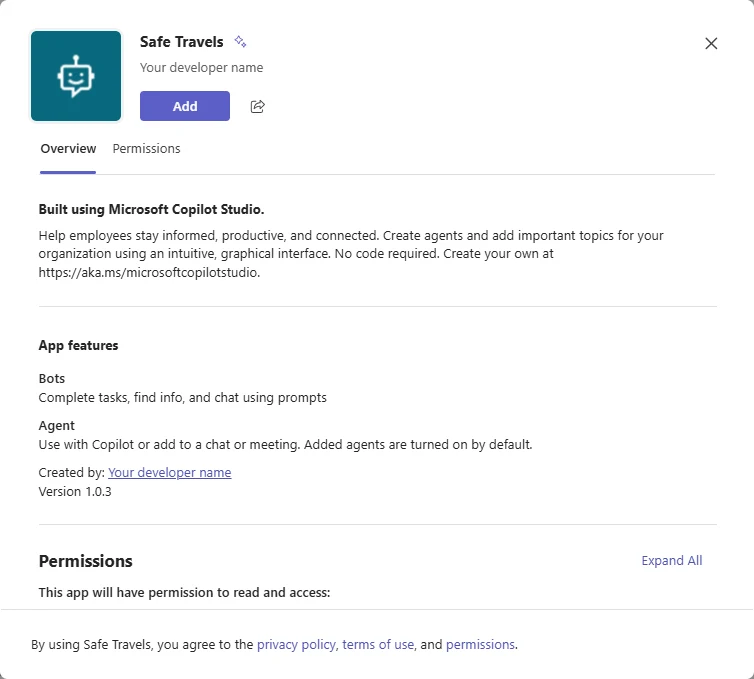
Your past winning submissions and boilerplate sit in SharePoint or a file share, and we deliver drafts to Teams or a browser page.
Select a draft component
RFP responses and compliance matrix tracking
Four document shapes are covered. Requirement extraction is usually built first, assembling a compliance matrix from solicitations.
Select a document shape
Examples are samples showing typical inputs and outputs.
Controls over draft quality
We maintain quality by identifying your strongest previous answers and flagging sections built from thin material before you submit.
Owned accreditations and methods
Accreditations, insurance positions, named staff, and method statements need an owner and a strict review cadence.
Redactions and exclusions
Past submissions naming another client, scope, or figures are redacted or excluded at ingestion, document by document.
Banked recurring questions
Recurring questions are grouped into a question bank, with strongest previous answers to each identified for reuse.
Flagged decisions and gaps
Sections needing a decision from bid leads are marked, not filled in. Sections built from thin material are flagged.
Building proposal draft workflows
First usable drafts normally take four to eight weeks. You'll spend most of that time choosing the corpus and agreeing on answer quality.
- 1
Collect winning work
We start the build by collecting your winning work and marking material that's out of date or forbidden for reuse.
- 2
Agree on answer quality
Bid teams agree exactly what good answers look like for each recurring question.
- 3
Run against live solicitations
We run drafting against a live solicitation, and your bid team marks what we got right, missed, or padded.
- 4
Measure against known answers
Quality is measured against sets of requirements with known-good answers, built directly with bid teams.
Common questions about drafts
- Where does our past work stay?
Past winning submissions and boilerplate can sit in SharePoint, file shares, or folders of PDFs on servers. Plain file shares lack permission models until built, scoping that work separately.
- Who reviews a draft?
Each draft goes to a named reviewer in Teams for a Microsoft estate, or a browser page otherwise. Answers are built only from content the person asking may open.
- What about pricing sections?
Commercial pricing pages stay strictly with the person who prices the work. Sections needing decisions from bid leads are marked, not filled in.
- What document types are covered?
Four document shapes are covered: public sector solicitations, prequalification questionnaires, scope and fee proposals, and screens of new solicitations against past wins.
- How long does it take?
First usable drafts normally take four to eight weeks, most of it spent choosing the corpus and agreeing on answer quality with bid teams.
- What happens when the AI model is retired or changed?
Prompts tuned to one model version do not transfer cleanly to next versions. Model retirement dates are published through platforms to plan updates.
Proposal drafting from past work
Book a conversation to discuss reading solicitations and answering recurring questions with approved past material.