Staff answer desk
AI knowledge base built on your documents
Staff ask questions in plain language and get an answer drawn directly from your own files, naming exact documents and sections.
Plain language answers
Answers drawn from your own documents
Staff ask questions in plain language and get answers from passages retrieved from an index, not general knowledge. Every reply cites exact documents and sections.
- 1
Answers cite documents and sections
Every answer cites the document and section it came from.
- 2
Content permissions apply
Answers are built only from content an asking person may open.
- 3
Teams or browser access
Chat surfaces are Teams for a Microsoft estate, or a standard browser page otherwise.
Knowledge management for your kind of business
Choose your field to see kinds of questions staff ask, where files live, and how answers are returned to local teams.
Select your business type
Related IT services
AI chatbot for your own documents
Microsoft screenshots show samples of sources, index schedules, retrieval results, and Teams integrations.
Select a tab
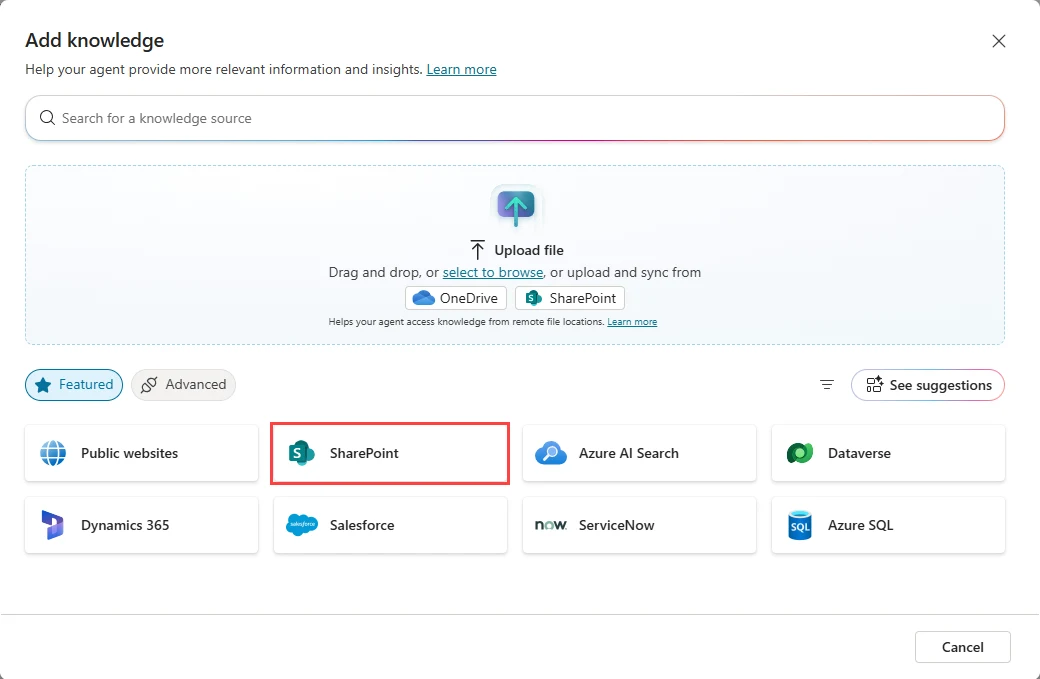
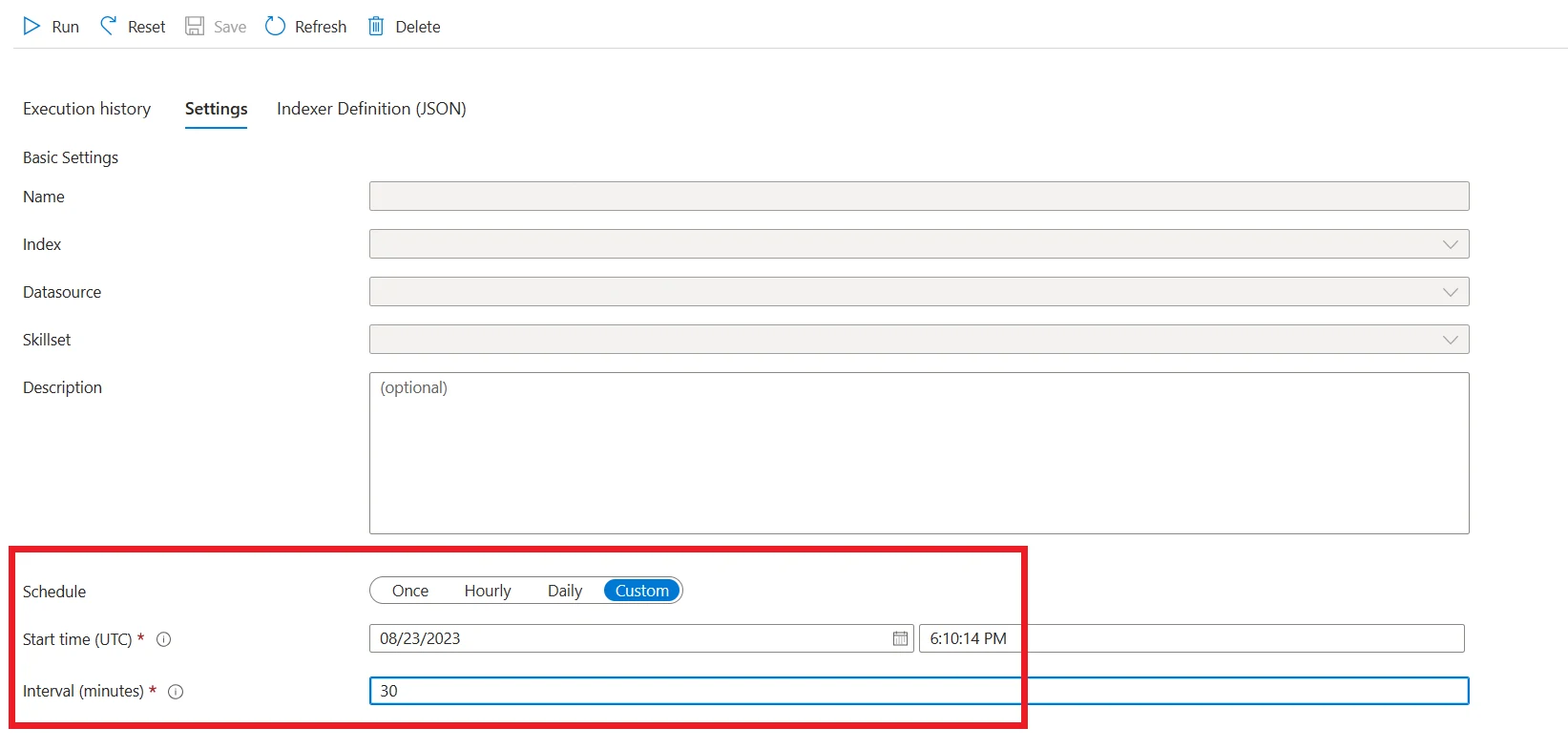
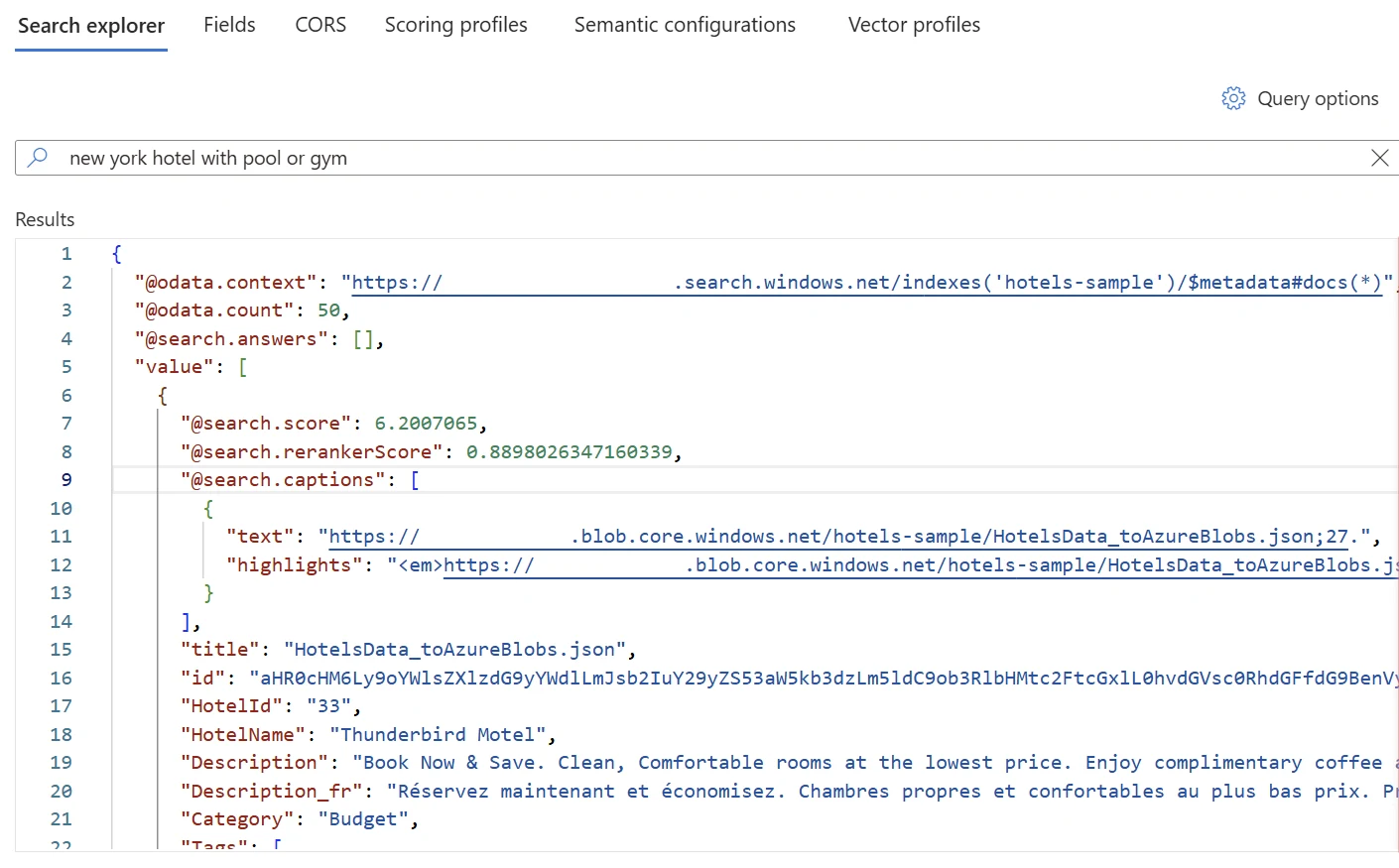
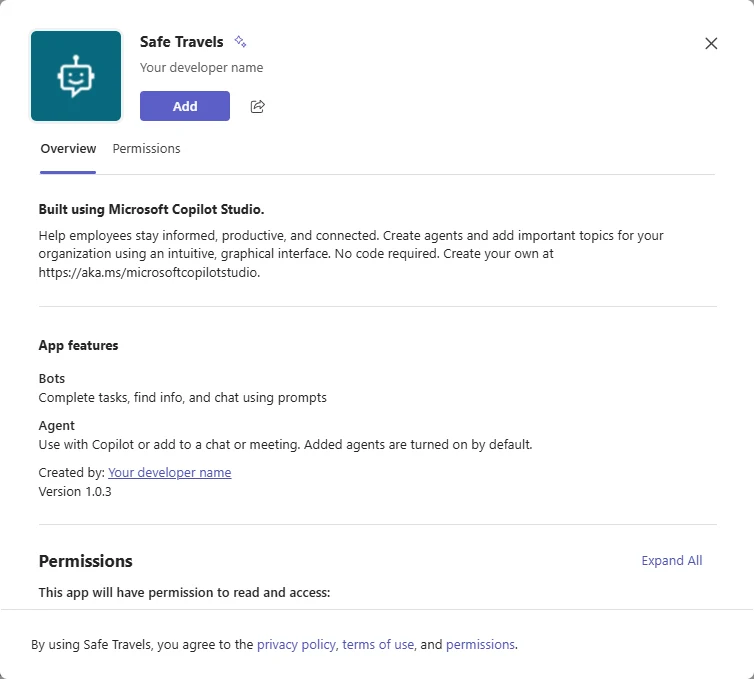
Standard operating procedures and policy questions
Select a question type to see an example of what staff ask and exactly what comes back.
Select a question type
Questions, names and details are samples only.
Splitting choices change answer quality
Chunk size, overlap, and chosen embedding models are written down. Chunking changes index sizes, embedding spend, query latency, and answer quality.
Extraction method and chunk size
Extraction methods, chunk sizes, and chunk overlap are chosen and written down.
Embedding model choices
Embedding models are named with reasons recorded. Changing models requires re-embedding whole collections again.
Hybrid and vector retrieval
Hybrid keyword and vector retrieval with semantic reranking is default. Pure vector search applies only where similarity is requested.
Authoritative document agreement
Agreeing which dated copy of a policy is authoritative is part of initial preparation work.
Build runs in four clear steps
One bounded collection of documents usually takes three to six weeks. Building chat surfaces takes days.
- 1
Pick a bounded collection
Pick a bounded collection of documents for preparation and scoring.
- 2
Prepare the content
Prepare all content for indexing, ensuring files are organized and authoritative versions are identified.
- 3
Score before release
Accuracy is measured against recorded correct answers, scoring whether cited passages support answers before release.
- 4
Put in front of users
Put systems in front of real users.
Questions owners ask
- Where do the documents stay?
Source material can be SharePoint, a file share, an intranet, or a folder of PDFs on a server.
- Can staff see answers drawn from files they cannot open?
Answers come only from files the asking person may open. Plain file shares have no permission model until one is built, so that work is scoped separately.
- What chat surface do staff use?
Chat surfaces are Teams for a Microsoft estate, or a browser page otherwise.
- What happens when a policy has several copies with different dates?
Agreeing which dated copy is authoritative forms part of initial preparation work.
- How long does it take?
One bounded collection of documents usually takes three to six weeks. Chat surfaces themselves take days.
- How is accuracy checked?
Accuracy is measured against recorded correct answers and scored on whether cited passages support answers before release.
Book a conversation
Schedule a time to talk about organizing documents into an accessible answer desk.