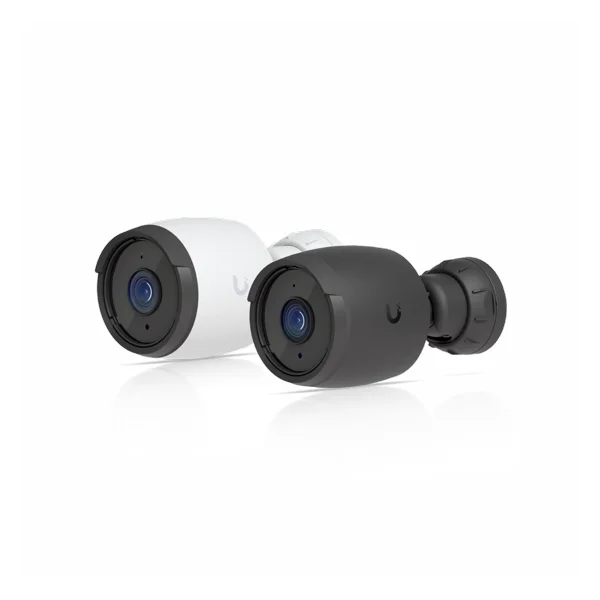
G6 bullet
All-weather 4K camera with an 8-megapixel sensor, on-camera AI engine and 30 meters of infrared range for long sightlines.
IR 30 m (98 ft)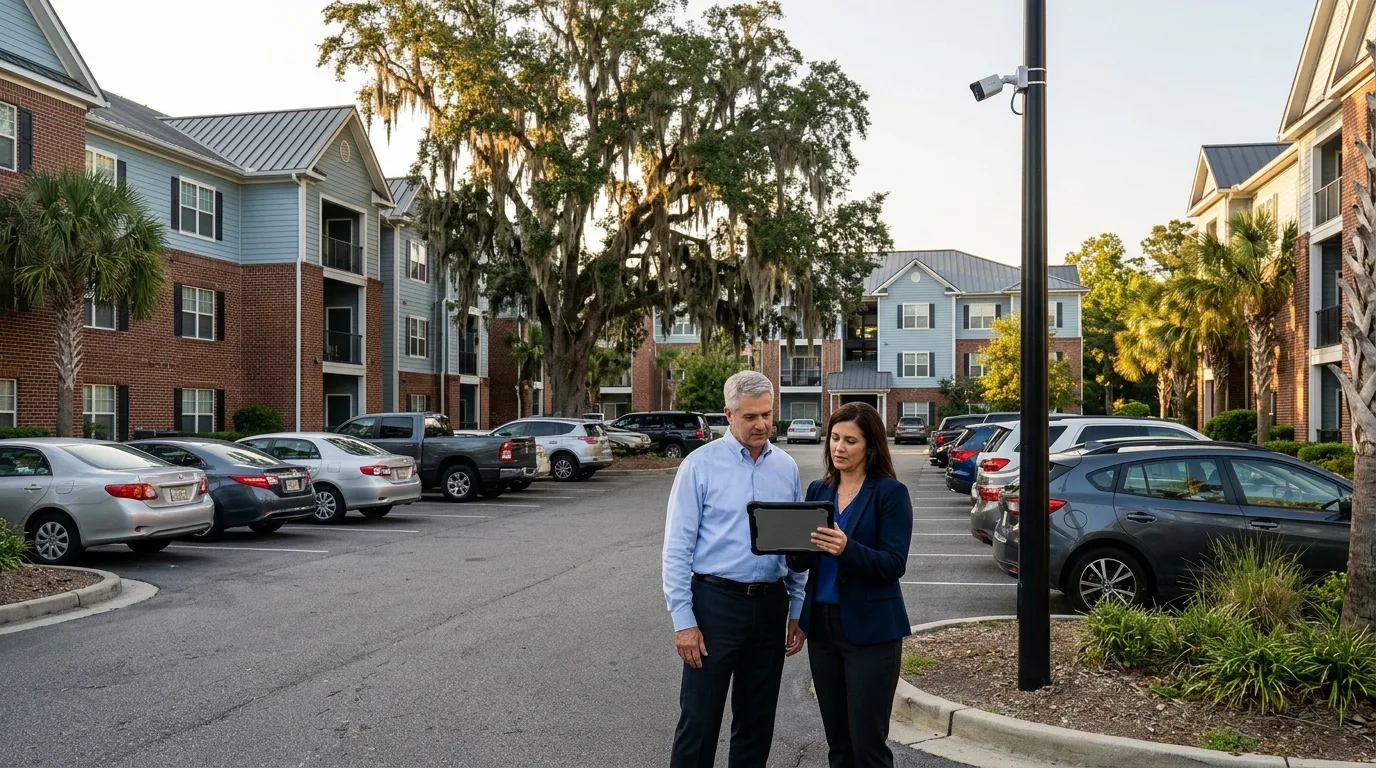
Security for properties
Cameras on poles and building corners record to a recorder on your property, with plate reading at the entrance, for lots from Charleston to Savannah.
Site coverage strategy
Open ground has only a few ways in, so a handful of cameras in right places cover entrances, aisles and edges. Footage stays on a recorder on your property.
Plate cameras at gates and driveways capture arriving vehicles. A second context camera records general activity.
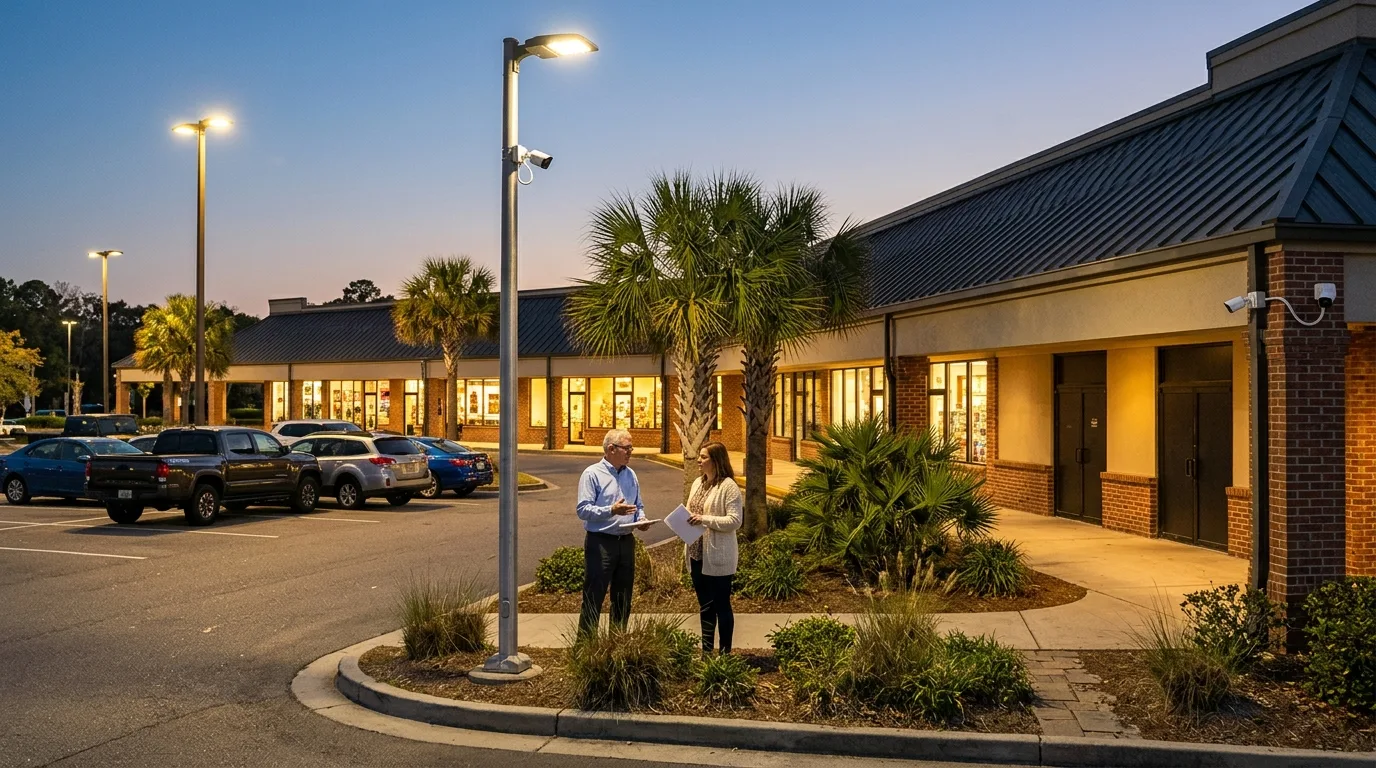
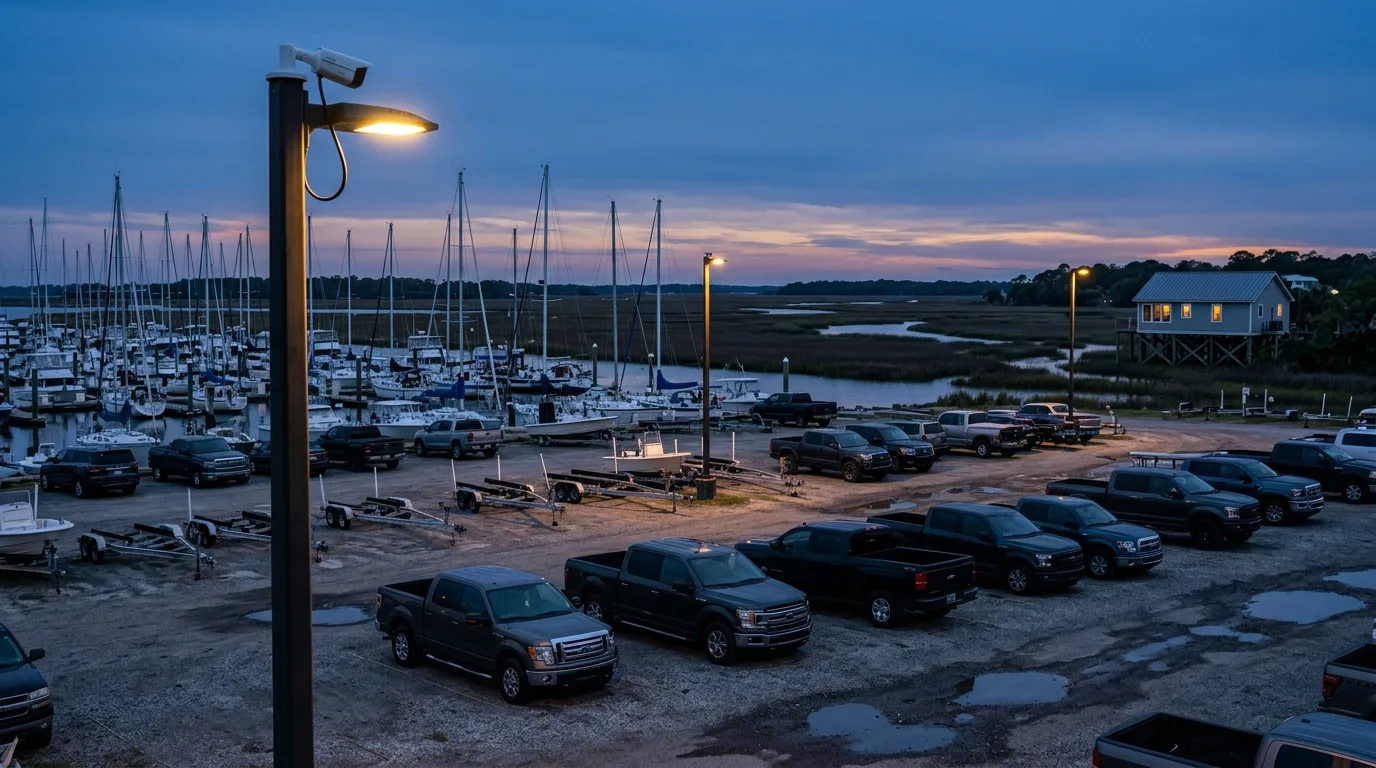
Bullet cameras on light poles look down long sightlines across parked cars, recording motion and activity along fences and parking rows.
Turret and dome cameras on building corners cover walkways and dumpsters, recording after-hours dumping and trespassing on property edges.
Lots across the coast need different coverage. Select your property type to see specific camera setups for capturing plates, monitoring after-hours activity and watching outdoor equipment.
Select your property type
Charleston metro has 82,214 apartment units, per Colliers and SC Biz. Managers need clear footage of residents' vehicles, guest arrivals and late-night activity in open parking areas.
South Carolina has about 7,600 community associations, according to Foundation for Community Association Research. Boards use cameras for gate traffic and shared amenities.
Our six-county area had 5,302 retail employer establishments in 2022, per Census County Business Patterns. Shopping centers need coverage for after-hours trespassing and dumping.
South Carolina has about 56 marinas, according to IBISWorld. Boat-trailer yards and dock lots use cameras to watch valuable equipment parked outdoors overnight.
Event traffic and after-hours activities fill lots at odd hours. Administrators rely on cameras to watch outbuildings, side doors and open parking areas.
Dealerships and contractor yards keep expensive vehicles and equipment parked outdoors overnight. Cameras provide constant recording across large open spaces and fences.
Select a position to see camera bodies that suit specific spots and what they record. Placements cover entrances, long rows and dark corners for continuous coverage.
Select a numbered camera position
1. Entrance
Plate camera
Plate cameras mount at most 5 meters high and 2 to 12 meters from plates, under a 25-degree angle. A second context camera records the vehicle at night.
2. Light pole
Bullet camera
Bullet cameras attach to light poles to watch long sightlines across aisles. Footage captures motion along parked cars and fences.
3. Building corner
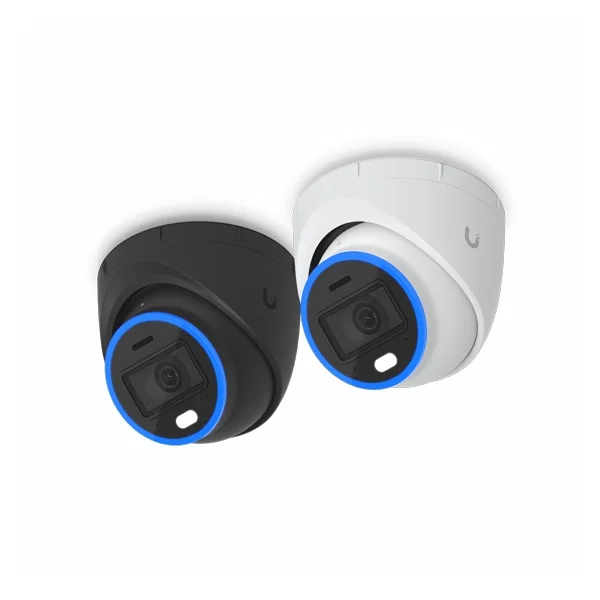
Turret camera on arm mount
Arm mounts attach turret cameras to building corners, overseeing walkways and immediate parking spots beside structures.
4. Waste area
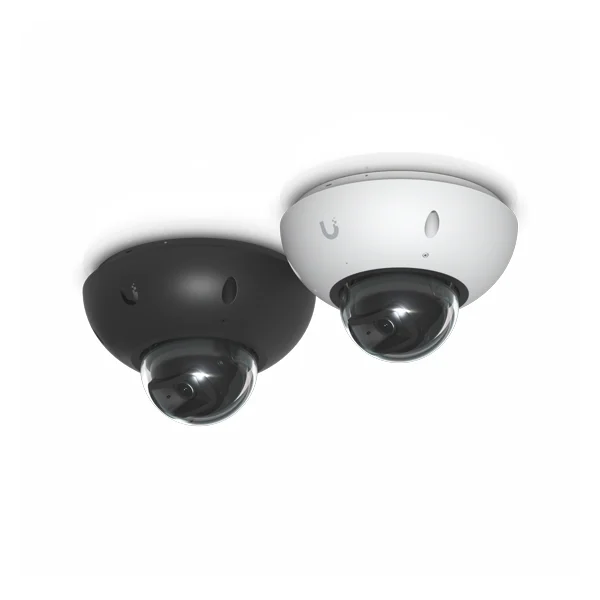
Vandal-resistant dome camera
Dome cameras resist vandalism at waste areas. Schedules set on the alert system notify managers of after-hours dumping or trespassing.
5. Pedestrian gate
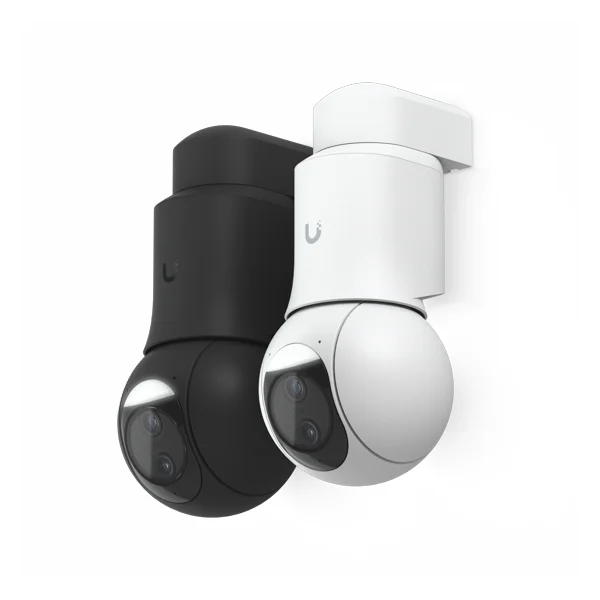
Pan-tilt-zoom camera
Pan-tilt-zoom cameras watch pedestrian or dock gates, offering zoom and motion tracking. System alerts can steer cameras automatically toward detected activity.
6. Far corner
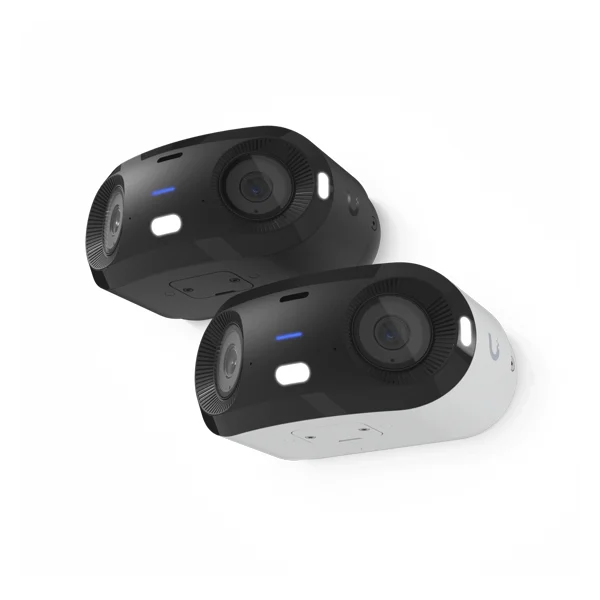
Panoramic 180-degree camera
Panoramic cameras cover far corners of the lot, recording a wide area from a single point.
Positions are an example plan; every lot is surveyed first.
System tools manage detection, alerts and video sharing. Each step shows the manufacturer's own diagram or screenshot.
Diagram and screenshots are the manufacturer's own.
Every camera uses infrared night vision and records directly to the recorder on your property, ensuring continuous coverage across dark lots even when internet connections fail.
Built-in infrared night vision illuminates dark areas, ranging from 15 to 30 meters depending on specific camera models.
Plate cameras use a glare-cut filter to isolate license plates and headlights, while a second context camera covers vehicles and general areas.
Writing footage to an on-property recorder ensures continuous operation. Enhanced retention keeps recent footage at full quality and lowers older footage resolution.
Single cables carry power and video to all cameras, running back to your property recorder.
All-weather 4K camera with an 8-megapixel sensor, on-camera AI engine and 30 meters of infrared range for long sightlines.
IR 30 m (98 ft)All-weather 4K dual-lens camera providing 10x hybrid zoom, pan-tilt-zoom control for motion tracking and 30 meters of infrared range.
IR 30 m (98 ft)Dual-sensor 16-megapixel camera giving panoramic 180-degree coverage for indoor or outdoor areas, featuring 20 meters of infrared range.
IR 20 m (65 ft)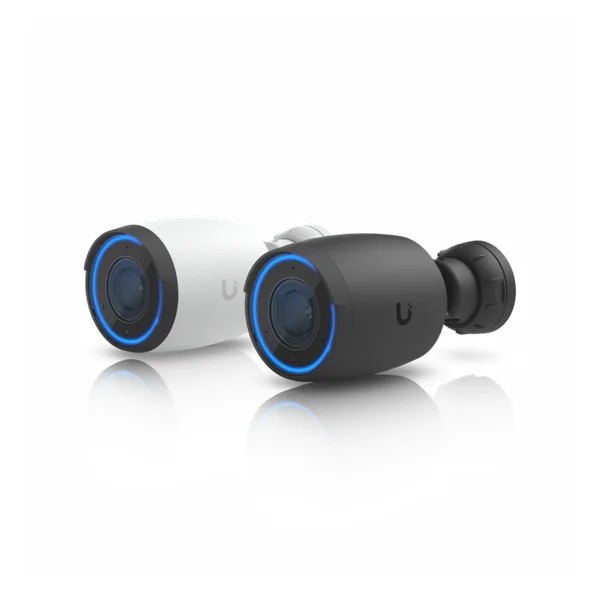
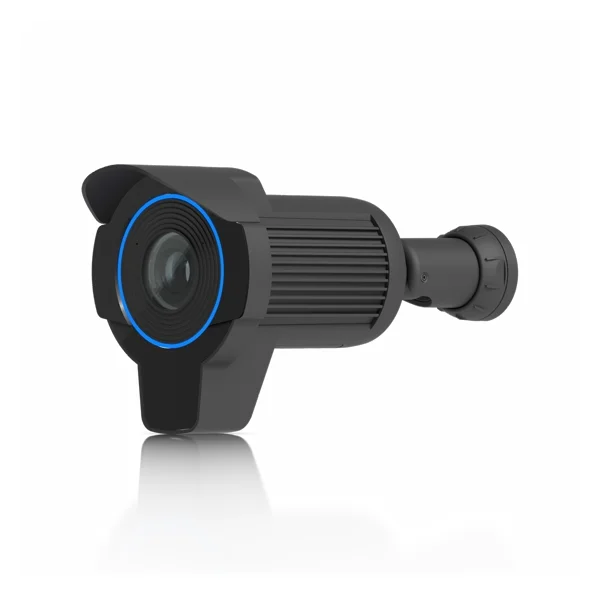
Weatherproof 4K camera with 3x optical zoom, face and license plate recognition and 25 meters of infrared night vision.
IR 25 m (82 ft)Dedicated plate-reading 4K camera with 3x optical zoom and long-range infrared, reading plates on vehicles moving up to 56 mph.
IR 15 m (50 ft)Entrances, aisles and edges dictate coverage, so numbers depend entirely on your specific lot geometry. Site surveys determine exact camera placement and counts.
Yes, plate cameras read them at entrances. Mounts sit at most 5 meters high and 2 to 12 meters away, keeping angles under 25 degrees.
Infrared night vision illuminates dark spots. Plate cameras employ a glare-cut filter to isolate headlights and plates, while a second context camera captures full vehicles.
Video stays securely on the recorder on your property, avoiding recurring camera fees. Detection runs directly on the camera or an onsite accessory.
Case Manager gathers clips from several cameras, trims them and adds notes. Exports bundle a zip of clips with a PDF description.
Coverage begins with a site survey. Service areas include Mount Pleasant, North Charleston, Summerville, Bluffton, Hilton Head, Beaufort and Savannah.
Call (844) 422-7000 to survey your lot first and determine exact camera placement.