Security alert · CVE-2026-124194
An Outlook flaw that leaks Windows sign-ins is being used now
On November 10 Microsoft fixed a flaw in Outlook that attackers were already using, and CISA added it to its list of exploited vulnerabilities the same day. An attacker sends a crafted message file. If someone opens it, Outlook quietly connects to the attacker's server and hands over a scrambled copy of that person's Windows sign-in. Here's who's affected and what to do this week.
- Added to CISA's list
- Nov 10, 2026
- Federal patch deadline
- Nov 24, 2026
- Microsoft rating
- Moderate · CVSS 6.5
- Exploited
- Yes, before the fix

What the attack looks like
The attacker emails a specially built Outlook message file, usually as an attachment with a reason to open it: an invoice, a voicemail, a shared document. Opening it makes Outlook connect to a network location the attacker controls, and Outlook skips the warning it normally shows before loading outside content.
That connection carries the user's NTLMv2 hash, a scrambled form of their Windows sign-in. With it, an attacker can sign in as that person on other systems that accept it, or try to crack it offline if the password is weak. Microsoft says the reading pane isn't a way in: someone has to open the file.
Who's affected
Microsoft lists three products, in both 32-bit and 64-bit editions. Microsoft 365 Apps is the desktop Office installed with most Microsoft 365 subscriptions. Outlook on the web and the new Outlook for Windows aren't on Microsoft's list.
What to do this week
- Update Office on every Windows PC. In Outlook, go to File, Office Account, Update Options, Update Now, then check the build number on the same screen against the table above.
- Block outbound SMB (TCP port 445) from your network to the internet at the firewall. Leaks like this one usually travel over that connection, and almost no business needs it open.
- Tell staff not to open Outlook message files (.msg) that arrive as attachments unless they were expecting one.

How managed patching handles it
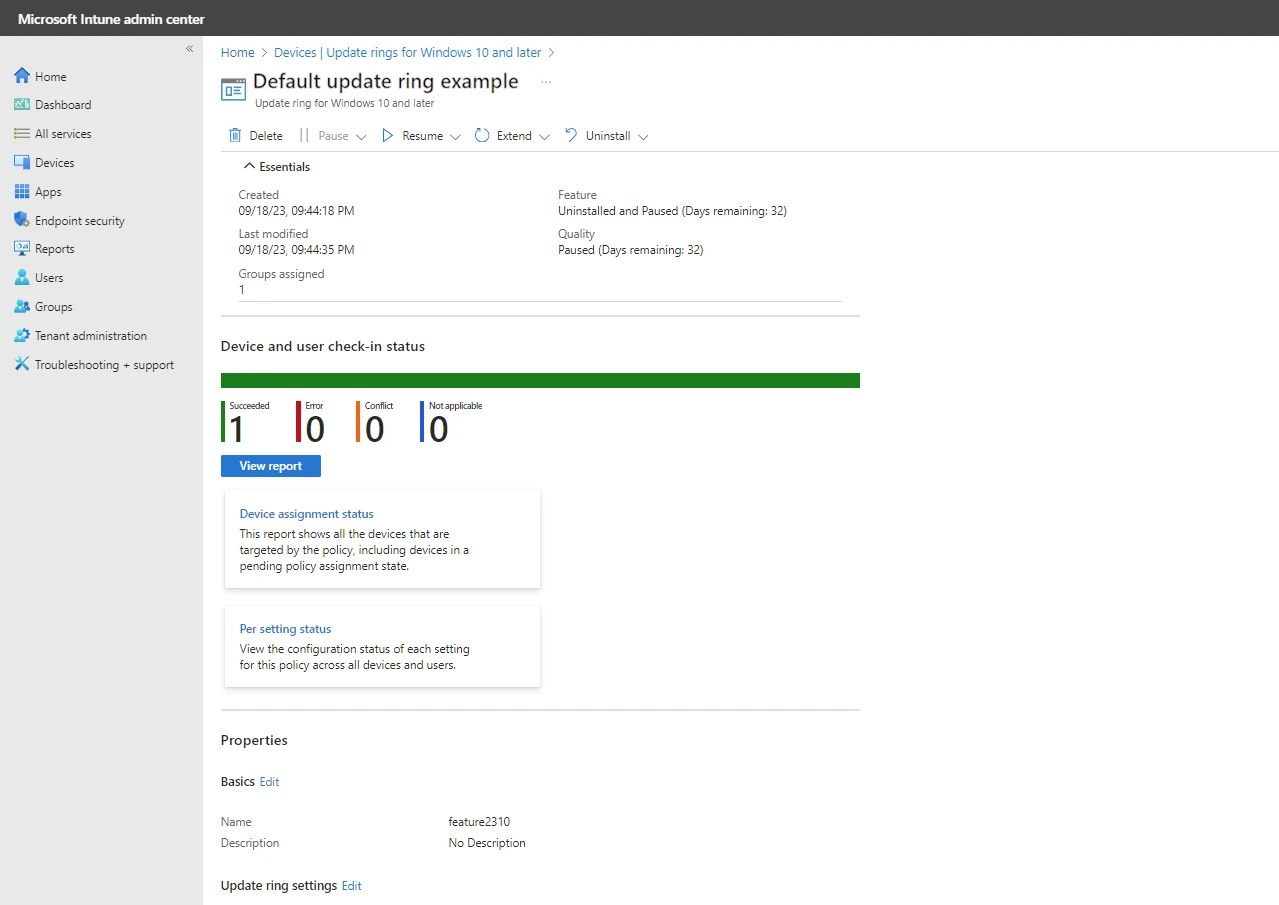
CISA's list is checked every morning; it's the same list behind our vulnerability search. With our patch management, Office updates go out through Microsoft Intune update rings: a small test group first, then everyone, with a report showing which machines are on the fixed build and which haven't checked in yet.
Not sure every machine in the office is on the fixed build? Call (844) 422-7000 and we'll check.
CISA entry for CVE-2026-124194 →Patch management →
Sources: Microsoft Security Response Center · NIST National Vulnerability Database