The power blinks and nothing reboots
The short outage is the common one, and it is long enough to restart every switch, camera and door reader in the building. The batteries carry the equipment straight through it.
Most outages here are seconds, not hours
A blip too short to notice in the lights is long enough to restart everything with a plug. Switches come back in a minute, cameras in a few, door controllers re-sync, and whatever was open on a screen is gone.
The hours-long outage is the rarer one and it is a different conversation, because past a certain point the answer is a generator and not a battery.
So batteries are sized for two jobs: ride through the short one without anything noticing, and on the long one shut things down in an order somebody chose.
Half the equipment in a typical rack does not need battery at all. Keeping the list short is what buys the minutes for the things that do.
What stays up, and for how long
Runtime is not a property of the box. It follows from what is plugged into it, which is why the list comes before the equipment.
The network rides through it
Gateway, switching and access points stay powered, so nothing reboots and nothing has to find its way back onto the network afterwards.
Cameras keep recording
The recorder and the cameras it powers stay up, so the outage is not a gap in the footage on the one evening something happens.
Doors keep their schedule
Controllers hold their timings and their credential list rather than coming back to a default and needing a re-sync.
A long outage ends in a shutdown, not a stop
Past the point the batteries can hold, equipment is brought down in a chosen order instead of dropping mid-write.
A locked-up device restarts remotely
A device that has locked up is restarted from the same console as everything else, without a drive out to press a button.
Battery age is visible before it matters
Load and battery age are visible alongside the rest of the network, so a tired battery is replaced on a plan.
Upright, on the floor or down the side of a rack
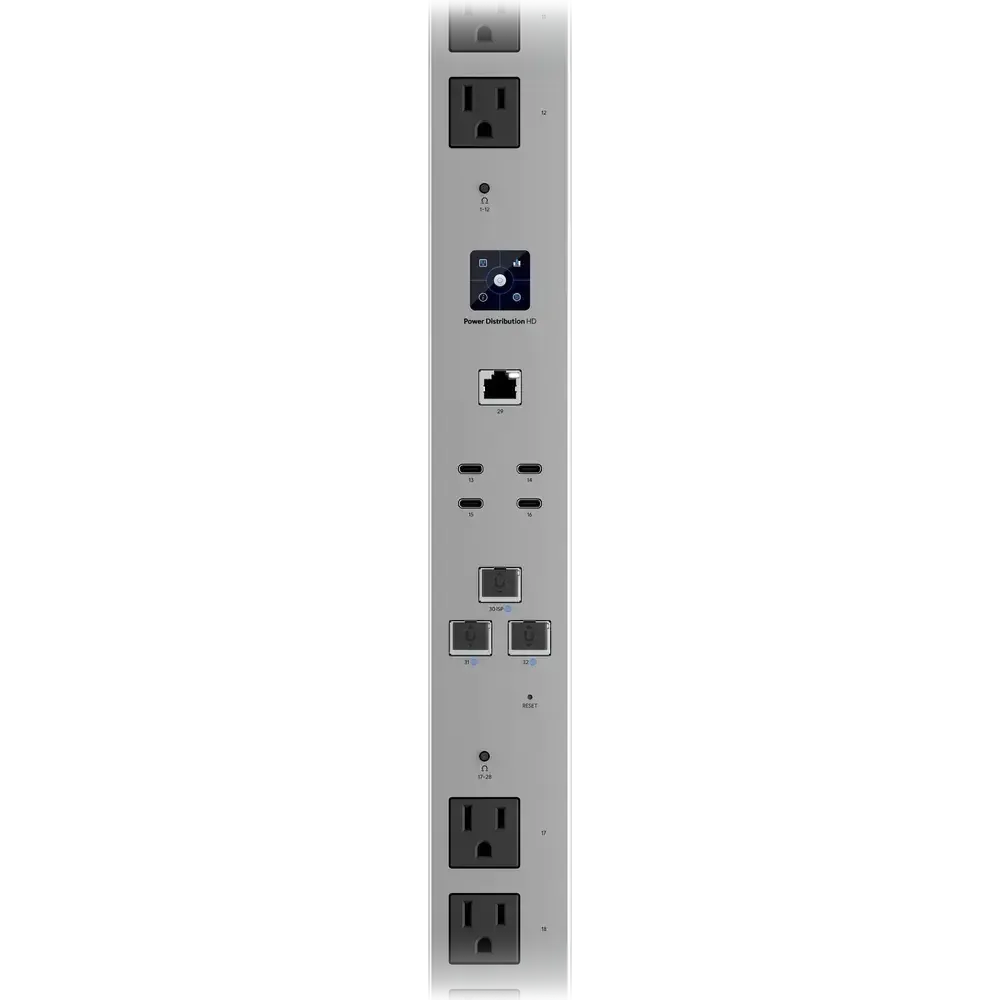
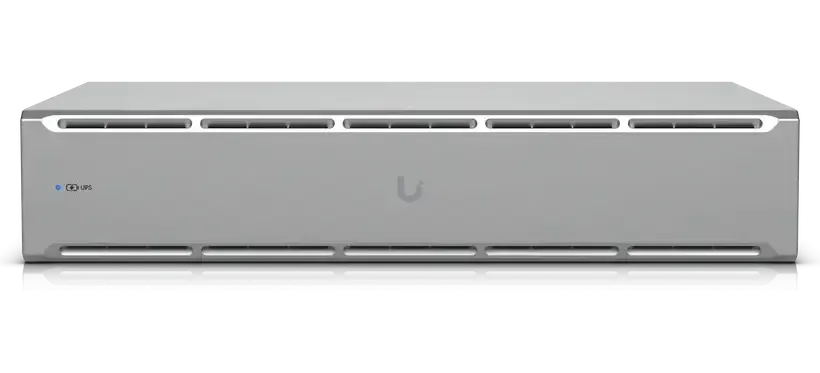
Neither of these needs a free rack slot. One stands on the floor of a cupboard; the other bolts down the side of a rack whose front is already full.

Stands on the floor or a shelf, for a cupboard with no rack
Vertical, down the side of a rack, where the front is full
Flat, bolted across the front
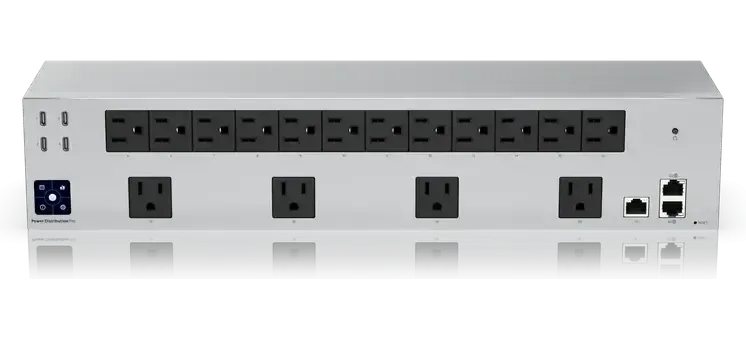
The rack-mounted half of the range. A slot each, and the switching and metering live here.
Battery in rack form, for a room that already has one
Every outlet switched and metered, across the front
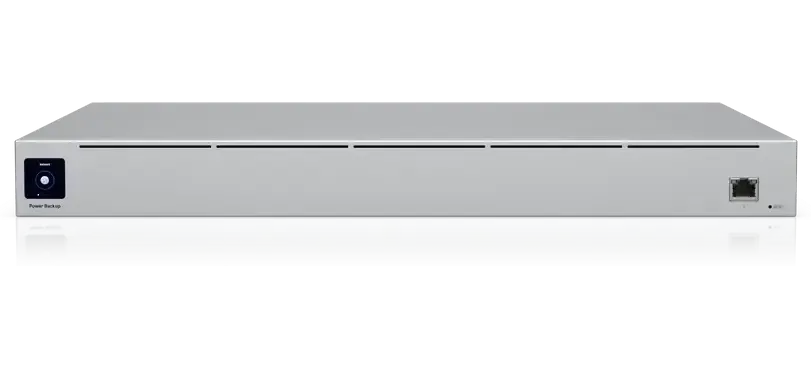
A spare supply standing by for switches, so one failure is not an outage
How the work runs
The list of what cannot drop
Device by device, not the whole room. Runtime is bought per item, and half the equipment in a typical rack does not need any.
The draw measured, not estimated
What the equipment actually pulls, taken from the rack rather than from a datasheet, so the runtime figure means something on the day.
Mounted and loaded
Mounted, loaded in the order that matters, and the non-essential equipment moved onto the outlets that are allowed to go.
Proved by pulling the plug
The outage is simulated at handover. What stays up is what was watched staying up, not what was specified.
Questions we get asked
It depends entirely on what is plugged in, which is why the draw is measured before anything is quoted. Cutting the load is usually a cheaper way to buy minutes than a bigger battery.
Batteries are a bridge, not a substitute for supply. Past their runtime the equipment is shut down in order, and where hours of operation are genuinely needed the answer is a generator with batteries bridging the gap until it picks up.
Yes, they are a consumable and they lose capacity with age and heat. Age and load are reported in the console, so a replacement is planned rather than discovered during an outage.
A rack of any size usually should have one, and that part is electrical work. What the equipment needs is specified so an electrician can quote it.
Desktops and monitors are a large load for very little gain. The equipment that has to stay up is normally the rack, the cameras and the doors, and keeping the list short is what makes the runtime worth having.
Which cupboard is the equipment in
A photograph of the rack or the cupboard, and what is plugged in around it. The sizing comes off the load.